Enhancing Efficiency: Mill Chain Conveyor Capacity Calculation in Aggregate Processing
The aggregate and sand production industry relies heavily on robust material handling systems, with mill chain conveyors playing a pivotal role in transporting bulk materials like crushed stone, sand, and gravel. Proper capacity calculation ensures optimal performance, minimizing downtime and maximizing throughput.
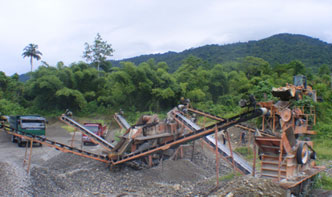
Aggregate processing demands high-capacity conveyors to handle abrasive materials under harsh conditions. Mill chain conveyors, known for their durability and heavy-duty design, are ideal for transporting large volumes of raw or processed materials. Their applications span primary crushing circuits, secondary screening, and final product stockpiling.
To determine conveyor capacity, key factors must be considered:
1. Material Density: Bulk density (tons/m³) of the conveyed material (e.g., limestone ~1.5 t/m³, granite ~1.7 t/m³).
2. Conveyor Speed: Measured in m/s; typically 0.1–0.5 m/s for heavy-duty chains.
3. Cross-Sectional Load Area: Calculated based on trough design (e.g., flat, U-shaped) and fill factor (usually 60–75% to prevent spillage).
4. Chain Pitch and Flight Design: Influences material displacement efficiency.
Basic Formula:
\[ \text{Capacity (tons/hour)} = \text{Cross-section (m²)} \times \text{Speed (m/s)} \times \text{Density (t/m³)} \times 3600 \times \text{Fill Factor} \]
Q: How does material moisture affect capacity?
A: High moisture increases cohesion, reducing effective cross-section; adjust fill factor accordingly.
Q: What’s the impact of incline angles?
A: Capacity decreases by ~10% per 10° incline due to material slippage; consider cleated flights for steep slopes.
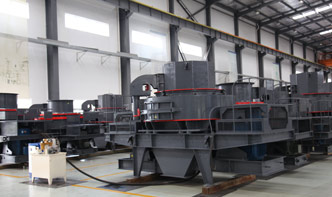
A granite quarry upgraded its mill chain conveyor by recalculating capacity post-primary crushing:
Precise capacity calculation ensures mill chain conveyors meet production demands while balancing efficiency and longevity—a critical step in optimizing aggregate plant performance.

