Pozzolana Crushing Plant in Bangalore: A Comprehensive Overview
The construction industry in Bangalore has witnessed exponential growth, driving demand for high-quality aggregates and pozzolanic materials. Pozzolana, a volcanic ash derivative, is widely used as a supplementary cementitious material (SCM) due to its ability to enhance concrete durability and reduce carbon footprint. To meet this demand, efficient pozzolana crushing plants have become critical infrastructure in Bangalore’s urban and peri-urban areas.
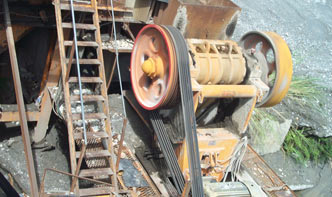
Bangalore’s rapid urbanization necessitates sustainable construction practices. Pozzolana, when processed into fine particles, reacts with calcium hydroxide in cement, improving strength and resistance to chemical erosion. Crushing plants specializing in pozzolana processing must balance output efficiency with environmental compliance, given Karnataka’s stringent regulations on dust and noise pollution.
Modern pozzolana crushing plants integrate:
1. Primary Jaw Crushers: For coarse reduction of raw pozzolana.
2. Secondary Cone/Impact Crushers: To achieve finer particle sizes (~20mm).
3. VSI Crushers: For producing cubical-shaped sand (0–5mm) ideal for concrete mixes.
4. Screening & Washing Systems: To remove impurities and classify aggregates.
Advanced automation systems ensure optimal production rates (typically 50–300 TPH) while minimizing energy consumption.
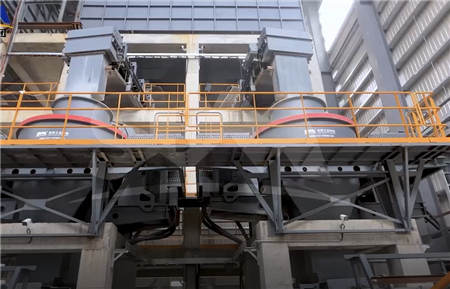
Q1: What is the typical output gradation?
A: Ranges from 0–5mm (sand), 5–20mm (aggregates), and 20–40mm (coarse fill).
Q2: How does pozzolana compare to fly ash?
A: Both are SCMs, but pozzolana offers superior sulfate resistance and lower water demand.
Q3: What permits are required?
A: Karnataka State Pollution Control Board (KSPCB) clearance for air/water emissions is mandatory.
A Bangalore-based plant installed a 200 TPH semi-mobile crushing unit for pozzolana processing in 2022. By adopting multi-stage screening and IoT-based monitoring, they achieved 95% material utilization and reduced waste by 30%. The end products supplied metro rail projects adhering to IS 3812 standards for pozzolanic materials.
Investing in a well-designed pozzolana crushing plant ensures sustainable material supply for Bangalore’s infrastructure boom while aligning with green construction goals. Customized solutions addressing local geology and regulatory frameworks are pivotal for long-term viability

