The Essential Role of Large Grinding Stone Wheels in Aggregate Production
The aggregate and sand-making industry is a cornerstone of modern construction, providing the raw materials for infrastructure, concrete, and roadways. Central to this process are large grinding stone wheels, critical components in crushing and grinding equipment that transform raw rock into high-quality sand and gravel.
Global demand for aggregates continues to rise, driven by urbanization and infrastructure projects. Efficient grinding technology ensures consistent particle size distribution, a key factor in meeting construction standards. Large grinding stone wheels are employed in vertical shaft impactors (VSIs), ball mills, and other machinery to achieve precise material reduction.
1. Material & Durability: High-chrome or manganese steel construction ensures wear resistance, extending service life under abrasive conditions.
2. Precision Grinding: Designed for uniform particle shaping, enhancing the quality of manufactured sand (M-Sand) for concrete mixes.
3. Versatility: Suitable for granite, basalt, limestone, and recycled concrete processing.
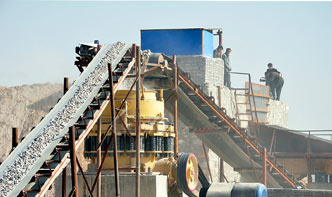
Common configurations include:
Q: How often should grinding wheels be replaced?
A: Lifespan depends on material hardness and throughput but typically ranges from 500–1,500 operating hours. Regular inspection for cracks or uneven wear is advised.
Q: Can these wheels handle wet processing?
A: Yes, corrosion-resistant models are available for wet crushing environments common in sand washing plants.
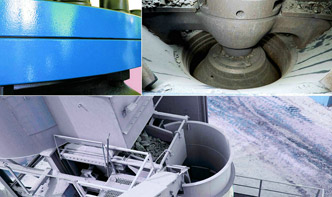
A quarry in Texas upgraded to a custom-designed 48-inch grinding wheel for its VSI crusher, achieving:
Investing in high-performance grinding stone wheels maximizes productivity while ensuring material consistency—a decisive factor for aggregate producers competing in tight markets. For buyers evaluating equipment upgrades, prioritizing durability and operational efficiency is paramount.

