Aggregate Crushing Prices in Africa: Industry Insights and Key Considerations
The African construction sector is experiencing rapid growth, driven by urbanization, infrastructure development, and mining activities. As demand for high-quality aggregates (crushed stone, sand, and gravel) rises, understanding the factors influencing aggregate crushing prices becomes critical for contractors, developers, and investors.
Aggregates are essential for concrete production, road base layers, and railway ballast. In Africa, the market varies significantly by region due to disparities in resource availability, logistics, and regulatory frameworks. Countries like South Africa, Nigeria, Kenya, and Egypt dominate demand due to large-scale infrastructure projects. However, challenges such as unreliable power supply, limited access to modern crushing equipment, and transportation costs impact pricing.
1. Raw Material Availability: Proximity to quarries reduces extraction and hauling expenses. Remote sites face higher costs due to logistics.
2. Equipment Efficiency: Mobile crushers (e.g., jaw/cone/impact crushers) offer flexibility but vary in capital and operational costs. Diesel-powered units are common where grid power is unstable.
3. Labor and Maintenance: Skilled operators and routine maintenance affect long-term profitability.
4. Regulatory Compliance: Permits, environmental taxes (e.g., dust control), and safety standards add overheads.
Q: How much does a mobile crushing plant cost in Africa?
A: Prices range from $100K to $500K+, depending on capacity (50–300 TPH) and features (e.g., hybrid power options).
Q: What’s the average price per ton of crushed aggregate?
A: Typically $5–$20/ton; coastal regions with port access tend to be cheaper than landlocked areas due to transport costs.
Q: How can I reduce crushing costs?
A: Opt for energy-efficient equipment, recycle demolition waste (RAP), or partner with local quarries to share logistics expenses.
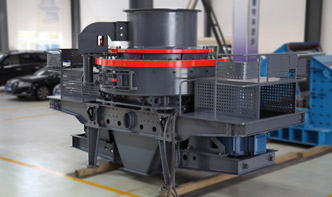
A contractor used a 200 TPH mobile jaw crusher paired with a screening plant to produce road base materials near Nairobi. By sourcing basalt locally and leasing equipment instead of purchasing outright, they cut costs by 15% compared to imported aggregates. Challenges included dust management compliance and occasional fuel shortages—mitigated through on-site storage solutions.
Navigating aggregate pricing requires balancing equipment selection, operational efficiency, and regional dynamics tailored solutions often yield the best ROI Africa’s evolving market presents opportunities for those who adapt strategically

