Revolving Furnace Slag Grinding: A Key Process in Aggregate Production
The construction and mining industries heavily rely on high-quality aggregates for infrastructure development. Among various raw materials, revolving furnace slag—a byproduct of steel manufacturing—has gained prominence due to its durability, cost-effectiveness, and environmental benefits. Proper grinding of this slag is critical to producing superior-grade sand and gravel for concrete, road bases, and other applications.
Revolving furnace slag is generated during steel production and possesses latent hydraulic properties, making it ideal for partial cement replacement or aggregate use. However, its coarse and irregular form requires specialized grinding equipment to achieve the desired particle size distribution. The demand for slag-based aggregates has surged as industries seek sustainable alternatives to natural resources, reducing carbon footprints while maintaining performance standards.
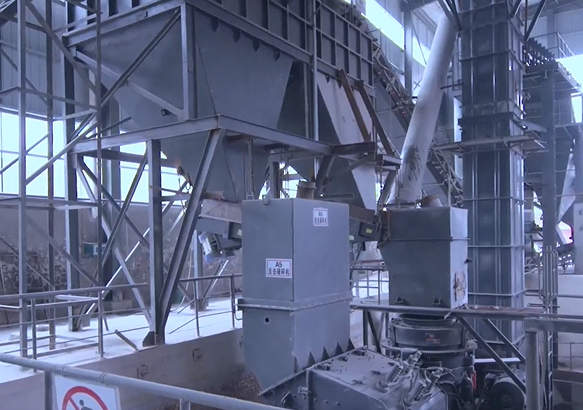
The heart of slag processing lies in advanced grinding mills designed to handle abrasive materials efficiently. Key equipment includes:
These systems incorporate wear-resistant materials like ceramic linings and hardened alloys to extend service life under harsh conditions.
1. Why use slag instead of natural aggregates?
Slag reduces landfill waste, lowers production costs, and enhances concrete strength due to its pozzolanic properties.
2. What particle size is achievable?
Modern mills can produce slag powder ranging from 45 microns (for cement blending) to 5mm (for coarse aggregates).
3. How does slag grinding impact sustainability?
Recycling slag cuts CO₂ emissions by up to 30% compared to quarrying materials.
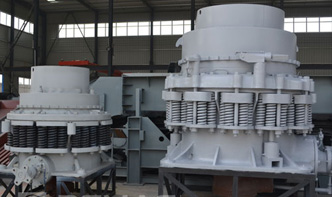
A European steel plant integrated a VRM system to process 200 TPH of revolving furnace slag into S95-grade mineral powder (≤5% residue on 45μm sieve). The project reduced energy consumption by 20% versus traditional ball mills and supplied local ready-mix concrete plants, demonstrating circular economy principles.
Grinding revolving furnace slag unlocks its potential as a premium aggregate alternative while aligning with global sustainability goals. Investing in robust grinding technology ensures consistent quality, operational efficiency, and long-term environmental benefits—a win-win for industry stakeholders.

