Establishing a Stone Crusher: A Comprehensive Guide
The stone crushing industry plays a pivotal role in construction, infrastructure, and mining sectors by producing essential aggregates like sand, gravel, and crushed stone. With rapid urbanization and increasing demand for high-quality building materials, setting up a stone crusher plant has become a lucrative venture. This guide explores key considerations, equipment selection, and operational insights for establishing a successful crushing operation.
Aggregates are the backbone of modern construction, used in concrete, roads, and railways. The global market is projected to grow steadily, driven by infrastructure development. A stone crusher plant processes raw materials (limestone, granite, basalt) into various sizes of aggregates through primary, secondary, and tertiary crushing stages.
1. Primary Crushers: Jaw crushers or gyratory crushers handle large rocks (feed size up to 1,500 mm).
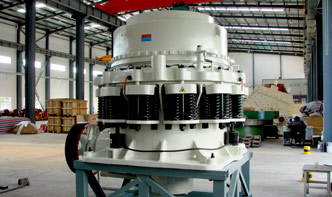
2. Secondary Crushers: Cone crushers or impact crushers refine material to medium sizes (20–100 mm).
3. Tertiary Crushers: Vertical shaft impactors (VSI) produce finely crushed sand (0–5 mm) for high-grade concrete.
4. Screening & Washing: Vibrating screens and sand washers ensure product gradation and remove impurities.
Q1: What’s the typical investment cost?
A: Small-scale plants start at $100,000; large setups may exceed $1 million, depending on automation and capacity.
Q2: How to mitigate dust pollution?
A: Use water sprays, enclosures, and bag filters to meet emission standards.
Q3: Which crusher is best for hard granite?
A: A multi-cylinder hydraulic cone crusher offers high efficiency and low wear for abrasive materials.
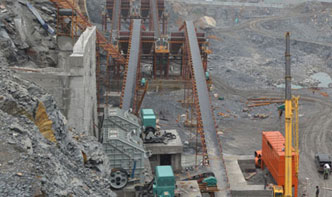
A quarry in Texas upgraded to a 300 TPH mobile crushing plant with a jaw crusher (primary), cone crusher (secondary), and VSI (tertiary). The setup reduced fuel costs by 30% and improved aggregate quality for local road construction projects.
Establishing a stone crusher requires meticulous planning in equipment selection, regulatory adherence, and market analysis. By leveraging advanced technology and sustainable practices, operators can achieve long-term profitability while meeting industry demands.

