Vibrating Screen Separator Components in Crushing and Sand-Making Equipment
The sand and aggregate industry plays a critical role in construction, infrastructure, and mining sectors. Central to this industry are crushing and sand-making equipment, where vibrating screen separators are indispensable for material classification. Understanding their components ensures optimal performance and longevity.
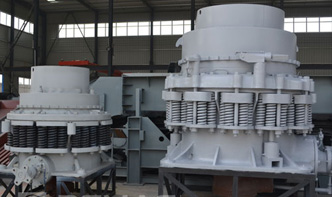
1. Screen Deck: The surface where material separation occurs, typically made of woven wire mesh, polyurethane, or rubber panels. The deck’s aperture size determines grading efficiency.
2. Vibrating Motor/Exciter: Generates vibration through eccentric weights or electromagnetic force, enabling material movement and stratification.
3. Springs/Dampers: Isolate vibrations from the frame, reducing structural stress and noise. Common types include coil springs and rubber mounts.
4. Side Plates & Cross Members: Reinforce the screen body to withstand dynamic loads and abrasive materials.
5. Discharge Chutes: Direct separated materials (e.g., oversize/undersize) to designated collection points.
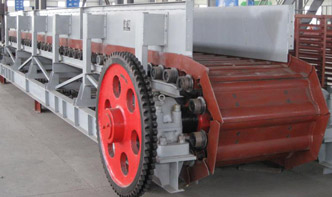
Vibrating screens are used in:
Q: How to reduce screen clogging?
A: Use anti-blinding meshes or ultrasonic cleaners for sticky materials like clay-rich ores.
Q: What affects screening efficiency?
A: Factors include vibration amplitude/frequency, moisture content, and feed rate uniformity.
A project in Texas upgraded its vibrating screens with polyurethane panels, increasing throughput by 20% while reducing wear-related downtime by 35%. Proper tensioning of screen mats minimized pegging issues common in wet screening applications.
By focusing on component quality and operational parameters, producers can enhance productivity while minimizing maintenance costs—key to staying competitive in the evolving aggregates market.