The Stone Crushing Industry: A Vital Player in Construction and Infrastructure Development
The global demand for crushed stone and sand continues to rise, driven by rapid urbanization, infrastructure projects, and the construction of highways, bridges, and buildings. Stone crushers play a pivotal role in transforming large rocks into usable aggregates, serving as the backbone of the construction material supply chain.
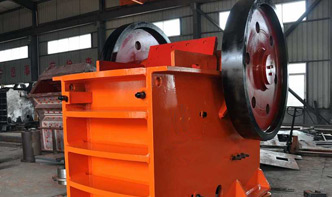
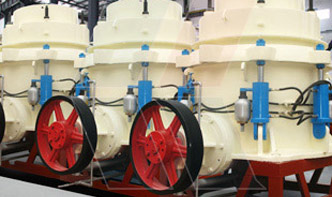
Stone crushers are heavy-duty machines designed to break down large rocks into smaller gravel, sand, or dust-sized particles. Key types include:
Modern crushers incorporate automation and energy-efficient designs to optimize productivity while minimizing environmental impact.
1. Regulatory Compliance: Obtain permits related to noise, dust emissions, and land use.
2. Equipment Selection: Match crusher type (fixed vs. mobile) with production needs and material hardness.
3. Maintenance Plans: Regular servicing extends machinery lifespan and prevents downtime.
Q: What’s the average cost of setting up a stone crushing plant?
A: Costs vary based on capacity ($100K–$5M+), including equipment, land, and labor expenses.
Q: How do I control dust emissions?
A: Use water sprays, enclosures, or baghouse filters compliant with local regulations.
Q: Which crusher is best for granite?
A: Jaw + cone crusher combinations are effective due to granite’s high abrasiveness.
A mining company in Texas upgraded to a 300 TPH mobile impact crusher system, reducing transportation costs by processing raw material on-site. The project boosted aggregate output by 40% while adhering to EPA dust-control standards.
Investing in stone crushing equipment requires careful planning but offers long-term returns amid growing construction demands. Innovations like AI-driven monitoring and hybrid power systems are shaping the industry’s sustainable future—making it an opportune time for new entrants to explore this sector responsibly.

