The Impact of Quartz Mining on Canada and the Role of Crushing Equipment in the Aggregate Industry
Industry Background
Quartz mining plays a significant role in Canada’s economy, particularly in provinces like Ontario, Quebec, and British Columbia. As a key raw material for construction, glass manufacturing, and electronics, quartz extraction supports multiple industries. However, the process relies heavily on efficient crushing and screening equipment to transform raw quartz into usable aggregates like sand and gravel.
Core Products in the Aggregate Sector
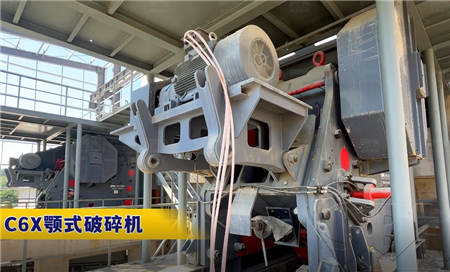
Modern quartz processing depends on advanced crushing equipment, such as:
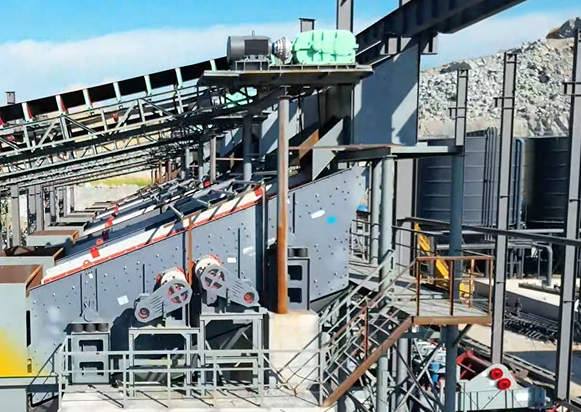
These machines ensure high productivity while minimizing environmental impact through dust suppression and energy-efficient designs.
Environmental and Economic Considerations
Quartz mining in Canada is regulated to mitigate ecological disruption. Sustainable practices include land rehabilitation and water management. Crushing equipment manufacturers are also innovating with hybrid or electric models to reduce carbon emissions. Economically, the sector provides jobs and supplies materials for infrastructure projects nationwide.
Common FAQs
1. How is quartz processed into sand?
Quartz rocks are crushed, screened, and sometimes washed to produce sand of varying fineness.
2. What are the environmental risks?
Dust and habitat disruption are concerns, but modern equipment mitigates these with enclosed systems and filters.
3. Which industries use quartz aggregates?
Construction, glass, ceramics, and semiconductor manufacturing are major consumers.
Engineering Case Study
A quarry in Ontario upgraded to a VSI crusher, boosting sand production by 30% while reducing energy use. The project demonstrated how advanced crushing tech can enhance efficiency and sustainability.
Conclusion
Quartz mining drives Canada’s aggregate industry, with crushing equipment being the backbone of production. As demand grows, the focus on eco-friendly and high-performance machinery will shape the sector’s future.

