The Essential Guide to Diamond Jaw Crushers in the Aggregate Industry
The aggregate and sand production industry is a cornerstone of modern construction, providing the raw materials for infrastructure, buildings, and roads. Among the critical equipment in this sector, jaw crushers stand out for their reliability and efficiency. Diamond Jaw Crushers, in particular, are renowned for their robust design and high-performance crushing capabilities, making them a preferred choice for processing hard and abrasive materials like granite, basalt, and quartz.
The demand for high-quality aggregates continues to grow, driven by urbanization and infrastructure development. Jaw crushers play a pivotal role in primary crushing, reducing large rocks into manageable sizes for further processing. Diamond Jaw Crushers are engineered to deliver superior throughput, durability, and minimal downtime, addressing the challenges of abrasive feed materials and harsh operating conditions.
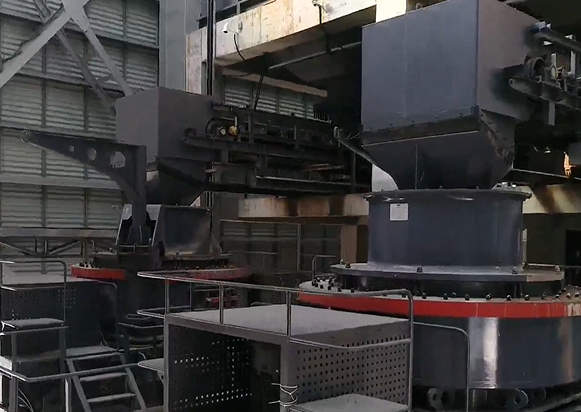
1. Heavy-Duty Construction: Built with high-grade steel and reinforced components to withstand extreme workloads.
2. Optimized Crushing Chamber: Designed for maximum efficiency, ensuring consistent particle size and reduced wear.
3. Easy Maintenance: Features like hydraulic adjustment and accessible wear parts simplify upkeep.
4. Versatility: Capable of handling various materials, from soft limestone to tough volcanic rock.
Q: How often should the jaw plates be replaced?
A: Replacement frequency depends on material abrasiveness. For highly abrasive rocks, inspect plates every 200-300 operating hours.
Q: What maintenance practices extend crusher life?
A: Regular lubrication, timely replacement of wear parts, and monitoring of belt tension are critical.
Q: Can Diamond Jaw Crushers process recycled concrete?
A: Yes, but pre-screening to remove rebar and contaminants is recommended to avoid damage.
A quarry in Texas upgraded to a Diamond Jaw Crusher to process granite for road base material. The crusher achieved a 20% increase in throughput compared to their previous model, while reducing energy consumption by 15%. The optimized chamber design also lowered maintenance costs by minimizing unscheduled downtime.
Diamond Jaw Crushers represent a smart investment for aggregate producers seeking efficiency, durability, and low operational costs. By understanding their features and maintenance requirements, operators can maximize productivity and ensure long-term reliability in demanding applications. For optimal performance, always refer to the manufacturer’s manual and adhere to recommended best practices.

