The Role of Crushing and Sand-Making Equipment in the Aggregates Industry
The aggregates industry plays a pivotal role in global infrastructure development, supplying essential materials like sand, gravel, and crushed stone for construction projects. Central to this sector are crushing and sand-making machines, which transform raw rock into high-quality aggregates.
Industry Background
With urbanization accelerating worldwide, demand for construction-grade aggregates has surged. Natural sand reserves are depleting due to over-exploitation, making manufactured sand (M-Sand) a sustainable alternative. Crushing and sand-making equipment enables the production of uniform, high-performance aggregates while reducing environmental impact.
Core Equipment and Technologies
1. Jaw Crushers: Primary crushers ideal for hard rock fragmentation, offering high throughput and durability.
2. Cone Crushers: Secondary/Tertiary crushers producing finely graded output for concrete and asphalt mixes.
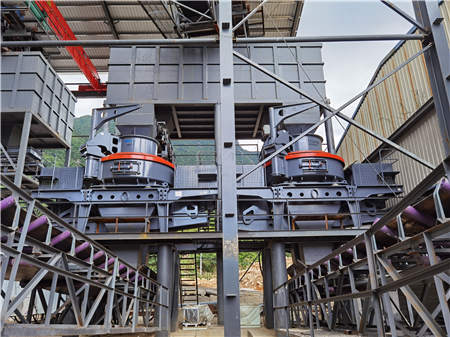
3. Vertical Shaft Impactors (VSI): Key for shaping cubical particles in M-Sand production, enhancing workability in concrete.
4. Mobile Crushing Plants: Flexible solutions for on-site processing, reducing logistics costs.
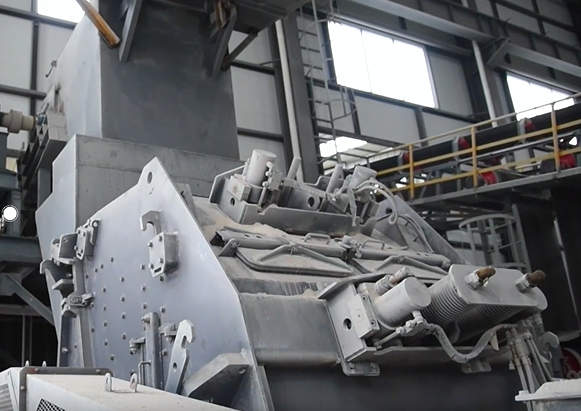
Advanced automation (e.g., IoT-enabled monitoring) optimizes efficiency and minimizes downtime—critical for large-scale operations like highways or dam projects.
FAQs
A: M-Sand offers superior consistency, fewer impurities, and better bonding with cement due to angular particle shapes.
A: Regular lubrication, wear-part inspections (e.g., liners), and alignment checks ensure longevity.
Case Study: Quarry Optimization in Australia
A Queensland quarry upgraded to a VSI-based sand-making plant, increasing yield by 30% while meeting strict ASTM standards for railway ballast—showcasing how technology drives profitability and compliance.
As sustainability regulations tighten globally, investing in efficient crushing/sand-making systems will remain vital for the evolving aggregates sector’s success—balancing productivity with ecological responsibility seamlessly through innovation-driven solutions tailored toward future-ready infrastructure needs without compromising quality or operational reliability across diverse applications from urban skyscrapers down rural road networks alike where durable materials matter most!

