The Role of Crushed Hornfels Rock in Aggregate Production
The construction and infrastructure sectors heavily rely on high-quality aggregates for concrete, asphalt, and road base materials. Among the various rock types used, hornfels—a hard, metamorphic rock formed from contact metamorphism—has gained attention for its durability and suitability in aggregate applications. When crushed, hornfels offers excellent compressive strength, low water absorption, and resistance to weathering, making it ideal for demanding engineering projects.
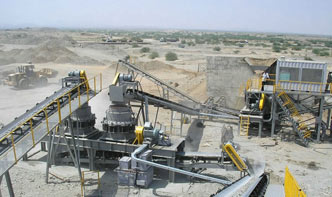
Aggregates account for over 80% of asphalt and 70% of concrete mixes by volume. With urbanization driving demand, producers seek cost-effective yet high-performance materials. Hornfels, often sourced from quarries near metamorphic zones, competes with granite and basalt due to its comparable properties but lower processing costs in some regions.
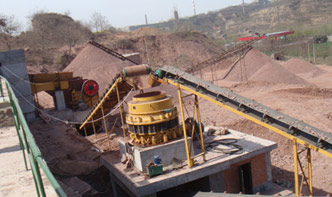
Crushing hornfels requires robust equipment due to its hardness:
1. Primary Crushing: Jaw crushers or gyratory crushers break large blocks into manageable sizes (150–200 mm).
2. Secondary/Tertiary Crushing: Cone crushers or impact crushers further reduce particles to 20–40 mm for coarse aggregates.
3. Screening & Shaping: Vibrating screens classify material, while VSI crushers produce cubical grains for premium concrete mixes.
Key advantages of hornfels aggregates include:
Q1: Can hornfels replace limestone in asphalt mixes?
Yes, but its higher hardness may increase wear on crushing equipment. Proper gradation design ensures optimal binder adhesion.
Q2: Is hornfels suitable for marine environments?
Absolutely—its low porosity resists saltwater erosion, making it ideal for coastal infrastructure.
A 2022 project utilized crushed hornfels (0–32 mm) as a base layer for a frost-resistant highway section. Post-construction tests showed superior load-bearing capacity compared to traditional limestone aggregates, with zero deformation after two winters.
Crushed hornfels rock is a versatile aggregate solution balancing performance and economics. As technology advances in crushing efficiency, its adoption is poised to grow—particularly in regions prioritizing longevity in infrastructure projects. Producers should evaluate local geology and invest in wear-resistant equipment to maximize ROI.

