The Evolution and Importance of Grinding Wheels in Aggregate Production
The aggregate industry is a cornerstone of modern construction, providing essential materials like sand, gravel, and crushed stone for infrastructure projects. Central to this process are grinding wheels, critical components in crushing and grinding equipment that transform raw materials into usable sizes. This article explores the role of grinding wheels in aggregate production, their technological advancements, and practical applications.
Aggregate production begins with extracting raw materials from quarries or mines. These materials undergo primary crushing, secondary grinding, and screening to meet specific size and quality standards. Grinding wheels are indispensable in secondary and tertiary processing, where precision and efficiency determine the final product’s quality.
Modern grinding wheels are engineered for durability, precision, and adaptability. Key features include:
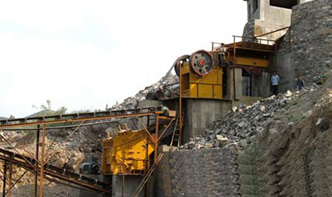
1. Primary Crushing: Heavy-duty wheels handle large rocks, reducing them to manageable sizes.
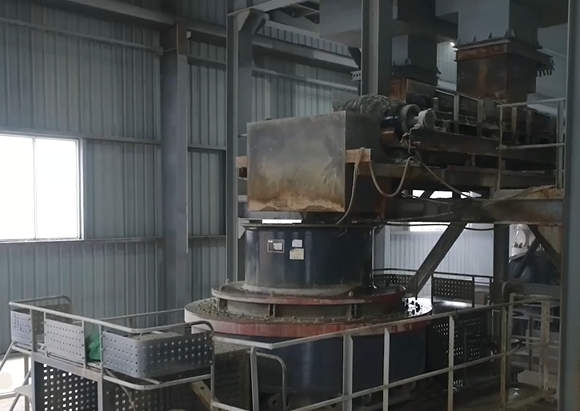
2. Secondary Grinding: Precision wheels refine particles to meet gradation requirements (e.g., 0-5mm sand).
3. Recycling: Grinding wheels process demolition waste into reusable aggregates, supporting sustainable practices.
Q: How often should grinding wheels be replaced?
A: Replacement depends on material hardness and usage frequency. Regular inspections for wear or cracks are recommended.
Q: What safety measures are critical?
A: Always use protective gear (goggles, gloves) and ensure proper wheel mounting to prevent imbalance or breakage.
Q: Can one wheel type handle all materials?
A: No—material-specific wheels (e.g., granite vs. limestone) optimize performance and longevity.
A quarry in Texas upgraded to diamond-tipped grinding wheels for processing high-silica granite. The result was a 30% increase in output efficiency and a 50% reduction in downtime due to wear-related maintenance.
Grinding wheels are pivotal in aggregate production, balancing efficiency and precision. As technology advances—such as AI-driven wear monitoring—their role will expand further, driving sustainability and productivity in the industry.

