The Growing Demand for Aggregate Crushing Plants in Modern Construction
The global construction industry relies heavily on high-quality aggregates for infrastructure projects, from roads and bridges to residential and commercial buildings. Aggregate crushing plants play a pivotal role in producing crushed stone, sand, and gravel—essential materials that form the backbone of construction. As urbanization accelerates and sustainable building practices gain traction, the demand for efficient crushing solutions continues to rise.
A well-designed crushing plant integrates several key components to ensure optimal performance:
1. Primary Crusher – Typically a jaw crusher or gyratory crusher, responsible for initial size reduction of raw materials.
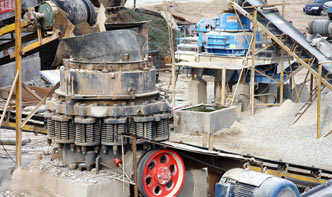
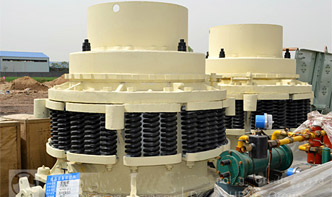
2. Secondary & Tertiary Crushers – Cone crushers or impact crushers further refine the material to desired specifications.
3. Screening Equipment – Vibrating screens separate aggregates into different sizes for various applications.
4. Conveying Systems – Belt conveyors transport materials between stages efficiently.
5. Control Systems – Advanced automation ensures consistent output while minimizing downtime.
Modern plants also incorporate dust suppression and noise reduction technologies to comply with environmental regulations.
1. What types of materials can be processed?
– Natural stone (granite, limestone), recycled concrete, and asphalt can all be crushed into aggregates.
2. How do I choose the right plant configuration?
– Factors like material hardness, required output size, and production capacity dictate the optimal setup.
3. What maintenance is required?
– Regular inspection of wear parts (liners, blow bars) and lubrication are critical for longevity.
As infrastructure demands grow, aggregate crushing plants remain indispensable for producing reliable construction materials efficiently and sustainably. Whether for large-scale projects or localized recycling efforts, investing in the right crushing solution ensures long-term profitability and environmental responsibility.

