Sand and Stone Separator for Beet Wash: Enhancing Efficiency in Aggregate Processing
The aggregate processing industry plays a pivotal role in construction, agriculture, and food processing. One critical application is the separation of sand and stone during beet washing—a process essential for sugar beet processing and soil remediation. Efficient separation ensures optimal resource utilization and minimizes waste.
Industry Background
In sugar beet processing, harvested beets often carry soil, sand, and stones. Traditional washing methods can be inefficient, leading to equipment wear and contamination. A dedicated sand and stone separator addresses these challenges by leveraging mechanical screening and hydrocyclone technologies. These systems are also adapted for aggregate plants, where clean stone and sand are vital for high-quality concrete and asphalt production.
Product Core: How It Works
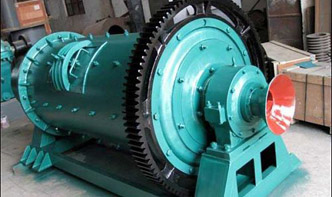
Modern separators combine vibration screens, water jets, and centrifugal force to classify materials by size and density. Key features include:
Advantages
FAQ Section
1. Can this separator handle other crops besides sugar beets?
Yes, it’s adaptable for potatoes, carrots, or any root crops requiring soil removal.
2. What maintenance is required?
Regular inspection of screens and pumps, plus periodic cleaning to prevent clogging.
3. Is water recycling possible?
Absolutely—closed-loop systems are available to conserve water.
Engineering Case Study
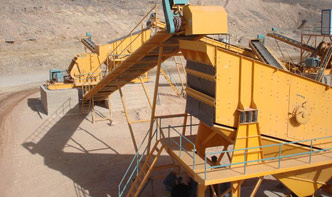
A European sugar cooperative implemented a custom separator, reducing water usage by 30% and increasing beet purity by 15%. The system’s modular design allowed integration into existing wash lines without downtime.
In conclusion, sand and stone separators are transformative for industries demanding efficient material classification. By investing in advanced separation technology, operators can achieve higher productivity while meeting sustainability goals.