The Critical Role of Crushing and Screening Equipment in the Aggregate Industry
The aggregate industry, encompassing sand, gravel, and crushed stone production, is the backbone of modern infrastructure. As urbanization and construction demand surge globally, the need for high-quality aggregates has never been greater. Central to this process are crushing and screening equipment, which transform raw materials into precisely graded products for concrete, asphalt, and road bases.
Core Equipment and Innovations
1. Jaw Crushers: Ideal for primary crushing, these machines handle large rocks with high compressive strength, reducing them to manageable sizes.
2. Cone Crushers: Used for secondary or tertiary crushing, they produce finely shaped aggregates with low flakiness.
3. Impact Crushers: Perfect for producing cubical aggregates, these are widely used in recycling and limestone applications.
4. Vibrating Screens: Essential for grading materials by size, ensuring consistency in final products.
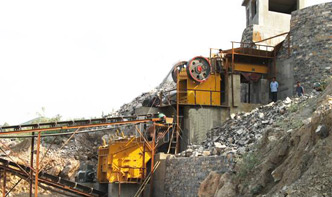
Recent advancements include automation (e.g., IoT-enabled monitoring), energy-efficient designs, and hybrid power options to reduce carbon footprints.
FAQs in Aggregate Production
A: Jaw crushers suit hard, abrasive materials; impact crushers excel in softer rocks or recycling applications.
A: Regular lubrication, wear-part inspections, and real-time monitoring of vibration/temperature are critical.
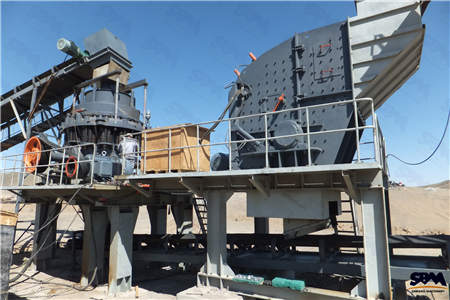
Case Study: Quarry Optimization in Texas
A limestone quarry upgraded to a multi-stage crushing plant (jaw + cone + vertical shaft impactor), achieving a 30% increase in output while reducing energy use by 15%. Automated screens improved product gradation accuracy, meeting stringent DOT specifications for highway projects.
Challenges and Solutions
The aggregate industry’s future lies in sustainable practices—from electric-powered mobile crushers to AI-driven predictive maintenance—ensuring efficiency without compromising safety or quality.

