Crushing and Pulverizing Equipment in the Aggregate Industry
The aggregate industry plays a critical role in construction, infrastructure, and mining by producing essential materials like sand, gravel, and crushed stone. Central to this process are crushing and pulverizing machines, which break down large rocks into smaller, usable sizes.
1. Jaw Crushers – Primary crushers that use compressive force to reduce large rocks. Ideal for hard materials like granite.
2. Cone Crushers – Secondary or tertiary crushers that refine material further using a gyrating mantle. Suitable for medium-hard to hard rocks.
3. Impact Crushers – Utilize high-speed impact to crush softer materials (e.g., limestone) and produce well-shaped aggregates.
4. Hammer Mills & Pulverizers – Fine-grinding machines for producing ultra-fine particles, often used in cement or mineral processing.
Q: What’s the difference between crushing and pulverizing?
A: Crushing reduces large rocks into smaller fragments (e.g., 50mm–5mm), while pulverizing further grinds them into fine powders (<1mm).
Q: How do I choose between a jaw crusher and an impact crusher?
A: Jaw crushers excel at hard, abrasive materials; impact crushers are better for softer rocks with lower abrasiveness but need more maintenance.
Q: What are common wear parts in these machines?
A: Jaw plates (jaw crushers), mantles/concaves (cone crushers), and blow bars (impact crushers) wear out fastest and require regular inspection.
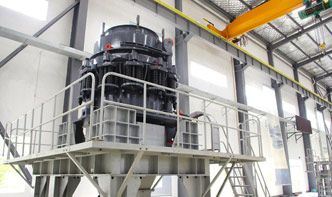
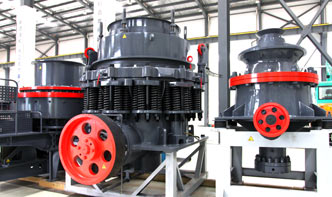
A quarry in Texas upgraded from a single-stage jaw crusher to a two-stage system (jaw + cone) to improve efficiency. The new setup increased production by 30% while reducing energy consumption by optimizing particle size distribution before final grinding.
Crushing and pulverizing equipment selection depends on material properties, desired output, and operational costs. Advances in automation and wear-resistant materials continue to enhance efficiency in the aggregate industry, ensuring sustainable production for global infrastructure needs.

