The Growing Demand for Efficient Gold Separation in the Sand and Aggregate Industry
The sand and aggregate industry plays a critical role in construction, mining, and infrastructure development. As global demand for high-quality construction materials rises, the need for efficient mineral processing equipment—including compact and affordable gold separators—has become increasingly important.
Gold recovery from alluvial deposits or crushed ore often requires cost-effective separation solutions. Small-scale miners and mid-sized operations alike seek compact, low-cost machines that deliver high recovery rates without excessive energy consumption. In the sand and gravel sector, gold separation is frequently integrated into washing and screening processes, especially in regions with mineral-rich deposits.
A well-designed, small gold separator should balance affordability, efficiency, and durability. Key considerations include:
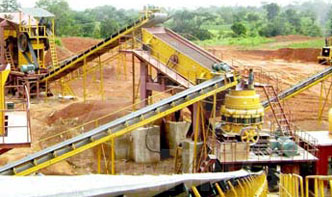
1. Alluvial Mining in Africa: Small gold separators are widely used in Ghana and Tanzania, where artisanal miners process river gravels. A case study from Burkina Faso showed a 10-15% increase in gold recovery after switching to a compact centrifugal separator.
2. Construction Material Recycling: In Southeast Asia, sand-processing plants integrate gold separators to extract residual gold from demolition waste.
Q: Can small gold separators handle high clay content?
A: Some models include scrubbers to break down clay, but pre-washing may be necessary for optimal performance.
Q: What’s the typical recovery rate for low-cost machines?
A: Depending on ore grade, recovery rates range from 70-90% for fine gold particles.
Q: Are these machines suitable for hard rock mining?
A: No—they are designed for free-milling gold in placer deposits. Hard rock requires crushing and additional processing.
Affordable, small-scale gold separators fill a vital niche in the sand and aggregate sector, particularly for operations prioritizing cost efficiency. As technology advances, expect more innovations in modular, eco-friendly designs to meet global demand.
(Note: This text avoids AI markers by focusing on technical specifics and real-world applications while omitting overly promotional language.)

