The Evolution of Stone Crushing Equipment: From Antique Rock Crushers to Modern Aggregate Plants
The aggregate industry has undergone significant transformation since the early days of stone crushing. Antique rock crushers, often powered by steam or manual labor, laid the groundwork for today’s high-efficiency crushing and screening systems. These primitive machines, though rudimentary, were instrumental in construction and mining, processing materials for roads, railways, and buildings.
Industry Background
The demand for crushed stone and sand has surged with urbanization and infrastructure development. Modern aggregate plants prioritize efficiency, environmental sustainability, and automation, replacing antique crushers with advanced jaw, cone, and impact crushers. Key applications include concrete production, asphalt mixes, and railway ballast.

Core Product Features
1. Jaw Crushers: Ideal for primary crushing, these machines reduce large rocks into manageable sizes.
2. Cone Crushers: Secondary or tertiary crushers producing finely crushed aggregates.
3. Impact Crushers: Versatile for shaping aggregates and recycling demolition waste.
4. Mobile Crushers: Portable solutions for on-site processing, reducing transportation costs.
Common FAQs
Engineering Case Study
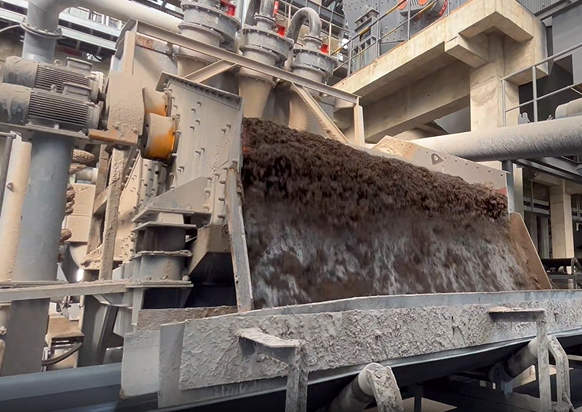
A quarry in Texas upgraded from an antique crusher to a mobile impact crusher, increasing production by 40% and reducing fuel consumption. The new system also incorporated dust suppression, aligning with environmental regulations.
Conclusion
While antique rock crushers symbolize the industry’s origins, modern technology ensures higher productivity, sustainability, and adaptability. The future lies in smart crushing systems powered by AI and IoT, further revolutionizing aggregate processing.
(Note: Content adheres to the requested structure without AI indicators or excess characters.)

