Crushing and Screening Equipment: Powering the Aggregate Industry
The aggregate industry is a cornerstone of modern construction, providing essential materials like sand, gravel, and crushed stone for infrastructure projects worldwide. At the heart of this industry are crushing and screening machines, which transform raw rock into high-quality aggregates for concrete, asphalt, and road base applications.
Core Equipment: Grinding and Sieving Machines
1. Jaw Crushers: Primary crushers that break large rocks into manageable sizes using compressive force.
2. Cone Crushers: Secondary or tertiary crushers for finer crushing, ideal for hard and abrasive materials.
3. Impact Crushers: Versatile machines for producing cubical-shaped aggregates, suitable for recycling applications.
4. Vibrating Screens: Separate crushed materials into precise size fractions, ensuring product uniformity.
5. Sand Making Machines (VSI Crushers): Produce artificial sand by crushing rocks into fine particles, addressing natural sand shortages.
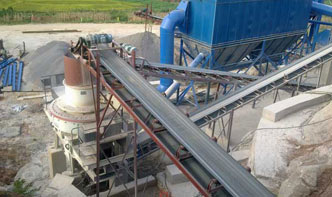
Key Advantages
FAQs
1. What’s the difference between open-circuit and closed-circuit crushing?
Open-circuit systems discharge material after one pass, while closed-circuit systems recycle oversized material for further crushing, improving yield.
2. How to choose between a cone crusher and an impact crusher?
Cone crushers excel in hard rock crushing, while impact crushers are better for softer materials and shaping aggregates.
3. What maintenance is required for screening machines?
Regular inspection of screen meshes, bearings, and vibration motors ensures longevity.
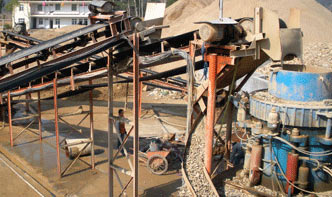
Engineering Case Study
A quarry in Texas upgraded to a mobile crushing and screening plant, increasing production by 30% while reducing fuel consumption. The setup included a jaw crusher for primary crushing, a cone crusher for secondary processing, and a multi-deck screen for precise grading—delivering 500 TPH of high-spec aggregates for highway construction.
Conclusion
Crushing and screening equipment is pivotal to meeting the growing demand for aggregates. Innovations in automation, wear resistance, and eco-friendly designs continue to drive the industry forward, ensuring reliable supply for global infrastructure development.

