Effective Sound Mitigation Strategies for Ore Crushers in Aggregate Production
The aggregate and sand production industry relies heavily on ore crushers to process raw materials into usable sizes. However, the high noise levels generated by crushing operations pose significant challenges, including worker safety risks, environmental compliance issues, and community complaints. Addressing these concerns requires a systematic approach to sound mitigation.
Crushing equipment, such as jaw crushers, cone crushers, and impact crushers, inherently produces noise levels exceeding 100 dB(A) due to mechanical impacts, vibrating components, and material collisions. Regulatory bodies like OSHA and the EPA enforce strict noise exposure limits, making mitigation a priority for sustainable operations.
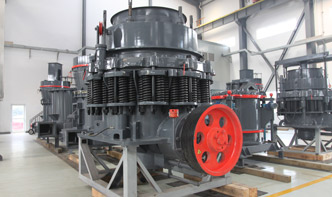
1. Equipment Enclosures & Barriers
– Installing acoustic enclosures around crushers reduces airborne noise by 15–25 dB(A).
– Modular sound barriers with noise-absorbing materials (e.g., mineral wool or composite panels) are effective for open-air plants.
2. Vibration Isolation & Damping
– Anti-vibration mounts and resilient pads minimize structure-borne noise.
– Rubber-lined chutes and conveyor systems dampen material impact sounds.
3. Operational Adjustments
– Optimizing feed rates and reducing oversized material minimizes erratic noise spikes.
– Regular maintenance (e.g., lubricating bearings, replacing worn parts) prevents excessive noise from mechanical wear.
4. Engineering Controls
– Low-noise crusher designs (e.g., hybrid crushers with hydraulic systems) are emerging as long-term solutions.
– Remote monitoring allows operators to adjust processes without direct exposure to high-noise zones.
Q: What is the typical noise reduction achievable with enclosures?
A: Properly designed enclosures can lower noise by 20–30 dB(A), depending on material thickness and sealing.
Q: How do I balance ventilation and noise control in enclosures?
A: Use baffled vents or acoustic louvers to maintain airflow while blocking sound transmission.
Q: Are there cost-effective solutions for small-scale operations?
A: Yes, partial barriers, operational scheduling (e.g., daytime-only crushing), and PPE (earplugs/muffs) offer interim solutions.
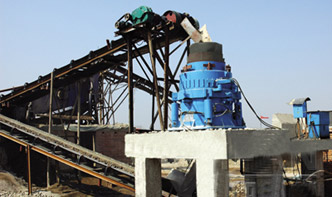
A quarry in Texas reduced crusher noise by 22 dB(A) by combining an enclosed secondary crusher with acoustic fencing. Post-implementation, worker noise exposure dropped below OSHA’s 85 dB(A) PEL, and community complaints ceased.
Proactive sound mitigation in ore crushing requires a blend of engineering, operational, and maintenance strategies. Investing in noise control not only ensures compliance but also enhances workplace safety and community relations—a critical advantage in today’s regulated and socially conscious market.

