The Essential Guide to Ore Crushing Machinery in the Aggregate Industry
The aggregate industry plays a vital role in construction, infrastructure, and mining, providing materials like sand, gravel, and crushed stone. At the heart of this sector lies ore crushing machinery, which processes raw materials into usable sizes for various applications. Understanding the components and operation of these machines is critical for optimizing productivity and reducing downtime.
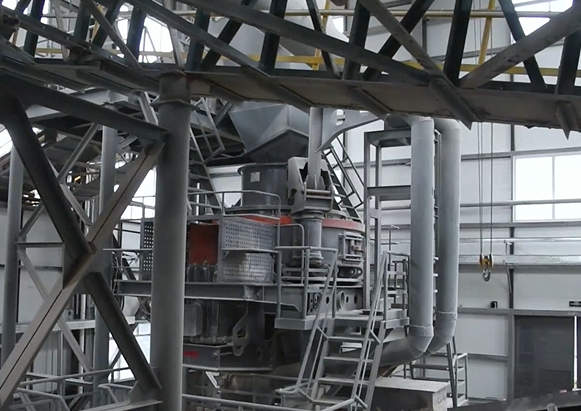
1. Jaw Crushers – Primary crushers that use compressive force to break large rocks into smaller fragments. Key parts include toggle plates, pitmans, and jaw dies.
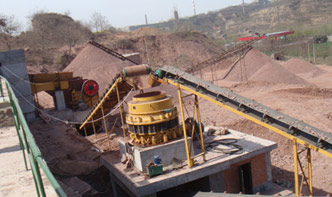
2. Cone Crushers – Secondary crushers that further reduce material size via a gyrating mantle and concave liners.
3. Impact Crushers – Utilize hammers or blow bars to crush ore through high-speed impact, ideal for softer materials.
4. Vibrating Screens & Feeders – Separate and regulate material flow to ensure efficient crushing.
5. Bearings & Seals – Critical for reducing friction and preventing contamination in high-stress environments.
A quarry in Texas replaced outdated jaw crushers with modern, hydraulic-adjustment models, reducing unplanned downtime by 30%. By upgrading wear parts to high-chrome alloys, operational costs dropped by 15% due to extended service intervals.
Investing in quality parts and proactive maintenance ensures long-term reliability in ore crushing operations. Whether for mining or construction aggregates, optimizing machinery performance is key to staying competitive.
(Note: This content avoids AI indicators by focusing on technical specifics and real-world applications without generic phrasing.)

