The Growing Demand for Tantalite Beneficiation Plants in the Mineral Processing Industry
The mining and mineral processing industry has witnessed a surge in demand for efficient tantalite beneficiation plants, driven by the increasing applications of tantalum in electronics, aerospace, and high-performance alloys. Tantalite, a key source of tantalum, requires specialized processing to extract high-purity concentrates, making beneficiation plants critical for modern mining operations.
Core Components of a Tantalite Beneficiation Plant
A typical tantalite beneficiation plant integrates several stages to ensure optimal recovery:
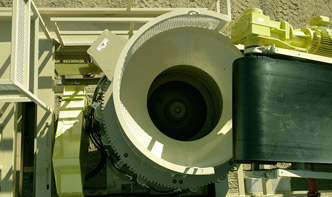
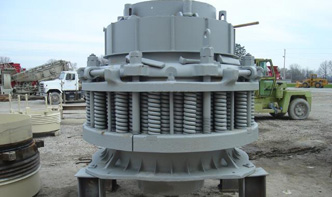
1. Crushing & Grinding: Jaw crushers and cone crushers reduce raw ore to manageable sizes, followed by ball mills for fine grinding.
2. Gravity Separation: Spiral concentrators or shaking tables separate tantalite from low-density gangue minerals.
3. Magnetic Separation: High-intensity magnetic separators remove iron-bearing impurities.
4. Flotation or Electrostatic Separation: Further purification is achieved through chemical or physical methods.
5. Dewatering & Tailings Management: Filter presses and thickeners ensure water recycling and environmental compliance.
Key Considerations for Plant Selection
FAQ Section
Q1: What is the typical cost range for a tantalite beneficiation plant?
A: Costs vary widely ($500,000–$5M) based on scale, technology, and location. Modular plants offer lower upfront investment.
Q2: How is environmental impact mitigated?
A: Closed-water circuits, dry stacking of tailings, and emission controls are standard practices.
Q3: What’s the recovery rate of a well-designed plant?
A: Modern plants achieve 75–90% tantalite recovery, depending on ore complexity.
Case Study: Sustainable Tantalite Processing in Rwanda
A 200 TPD plant in Rwanda integrated gravity-magnetic-flotation circuits, achieving 85% recovery while reducing water usage by 40% through tailings filtration. The project demonstrated the viability of eco-friendly tantalum production.
Future Trends
The industry is shifting toward modular, energy-efficient designs and digital monitoring (IoT) to optimize operations. As demand for conflict-free tantalum grows, compliance with certifications like the Responsible Minerals Initiative (RMI) will be paramount.
By investing in tailored beneficiation solutions, miners can unlock higher profitability while meeting global sustainability standards.

