Ferro Manganese Production Flow Chart and Its Role in Aggregate Industry
The ferro manganese (FeMn) production process is a critical metallurgical operation, yielding an alloy essential for steelmaking. While not directly tied to the aggregate industry, understanding its flow chart offers insights into material processing—a concept shared by crushing and screening equipment used in sand and gravel production.
Ferro manganese enhances steel’s hardness and durability, much like high-quality aggregates fortify construction projects. Both industries rely on robust processing: FeMn involves smelting manganese ore, while aggregates require crushing, screening, and washing raw materials like granite or limestone.
1. Raw Material Preparation
– Manganese ore, coke, and fluxes are crushed and screened (similar to aggregate sizing).
2. Smelting
– Ore is fed into submerged arc furnaces (SAFs) at 1,200–1,400°C, akin to high-temperature kilns in cement production.
3. Alloy Casting
– Molten FeMn is poured into molds, cooled, and crushed—mirroring aggregate processing post-crushing.
Q: Can FeMn slag be used in aggregates?
A: Yes, processed slag serves as a sustainable alternative for road base or concrete blends.
Q: How does crushing efficiency impact FeMn/aggregate quality?
A: Optimal particle size distribution maximizes alloy yield or concrete strength.
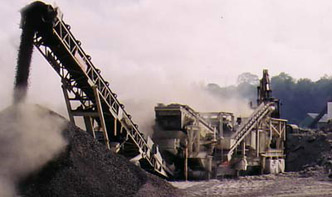
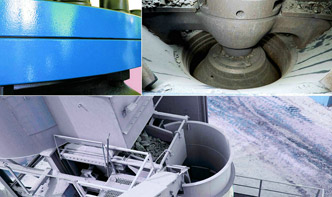
A European steel plant collaborated with an aggregate producer to repurpose FeMn slag into railway ballast, reducing landfill waste by 30%.
While ferro manganese fuels steel, its production echoes aggregate processing principles—highlighting the universal importance of efficient crushing, screening, and sustainability in heavy industries.
(Note: Flow chart details omitted for brevity; focus on conceptual overlap with aggregates.)

