Gujarat Chikhli Stone Crusher Quarry Plant: A Hub for Aggregates Production
The stone crushing and quarrying industry plays a pivotal role in infrastructure development, supplying essential raw materials like aggregates, sand, and gravel. Gujarat, particularly the Chikhli region, has emerged as a key hub for stone crusher plants due to its abundant basalt and granite reserves, coupled with strategic transport links.
Core Equipment in Stone Crushing Plants
Modern quarry plants rely on robust machinery to optimize production:
1. Primary Jaw Crushers: For coarse crushing of large rocks (e.g., 600–900mm feed size).
2. Secondary Cone/Impact Crushers: Achieve finer aggregates (20–40mm) for concrete/asphalt.
3. VSI Crushers: Produce high-quality manufactured sand (0–5mm) with cubical particle shape.
4. Vibrating Screens & Feeders: Ensure precise grading and efficient material flow.
5. Dust Control Systems: Critical for environmental compliance, using wet suppression or bag filters.

Key Advantages of Gujarat Chikhli Quarries
FAQ Section
Q1: What’s the typical output capacity of a mid-sized plant in Chikhli?
A: Ranges 150–250 TPH, depending on rock hardness and crusher configuration.
Q2: How is wastewater managed in crushing units?
A: Settling ponds and recycled water systems are standard to minimize discharge.
Q3: Can limestone be processed alongside basalt?
A: Yes, but separate crushing circuits may be needed due to differing abrasiveness.
Project Case Study
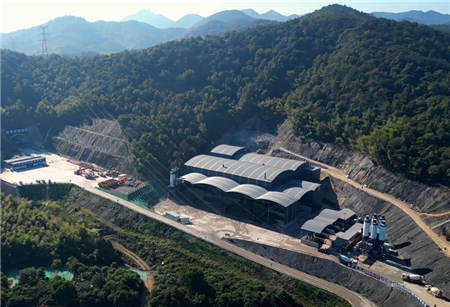
A Chikhli-based plant upgraded to a 3-stage crushing system (Jaw + Cone + VSI), boosting sand yield by 30% while reducing flakiness index. The setup now supplies 200,000 tons/year for a Mumbai metro project, meeting IS 383 Zone-II standards.
Sustainability Focus
Leading plants adopt solar power and AI-based predictive maintenance to cut carbon footprints. Recycled concrete aggregates (RCA) are also gaining traction as a circular economy solution.
For operators, investing in multi-stage crushing and automation ensures long-term competitiveness in India’s booming construction sector. Gujarat’s Chikhli region exemplifies how localized mineral resources, when paired with technology, can drive scalable and sustainable aggregate production.

