The Evolution of Crushing and Screening Equipment in the Aggregate Industry
The aggregate industry plays a pivotal role in global infrastructure development, supplying materials like sand, gravel, and crushed stone for construction, roads, and concrete production. Central to this process are crushing and screening machines, which transform raw rock into high-quality aggregates.
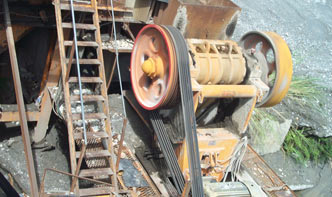
1. Jaw Crushers: Primary crushers designed to handle large rocks, reducing them to manageable sizes for secondary crushing.
2. Cone Crushers: Ideal for secondary or tertiary crushing, producing finely graded material for asphalt or concrete.
3. Impact Crushers: Versatile machines capable of producing cubical-shaped aggregates, often used in recycling applications.
4. Vibrating Screens: Separate aggregates by size, ensuring uniformity for end-use specifications.
Modern systems integrate automation and IoT for real-time monitoring, optimizing efficiency and reducing downtime.
Q: What’s the typical output of a 200tph crushing plant?
A: Depending on material hardness, expect 120–180tph of finished aggregate.
Q: How to minimize maintenance costs?
A: Regular lubrication, timely part replacement, and predictive maintenance using sensor data.
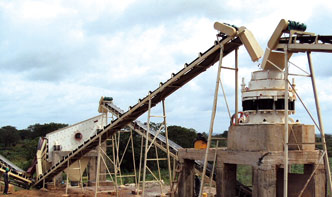
A limestone quarry upgraded to a three-stage crushing system (jaw + cone + VSI), increasing yield by 30% while reducing energy consumption by 15%. Automated screening reduced manual sorting labor by 50%.
The aggregate industry continues to innovate, balancing productivity with environmental stewardship. Investing in advanced crushing technology ensures long-term competitiveness in a growing market.

