Calcite Ore and Limestone Extraction Process in the Aggregate Industry
Industry Background
The global construction and infrastructure sectors heavily rely on crushed stone, sand, and gravel, collectively termed aggregates. Calcite ore and limestone are key raw materials due to their versatility in cement production, road base, and concrete manufacturing. The extraction and processing of these minerals involve specialized crushing and grinding equipment to meet stringent size and quality standards.
Core Equipment for Processing
1. Primary Crushing: Jaw crushers or gyratory crushers break large limestone blocks into smaller fragments (150–300 mm). Hardness and abrasiveness determine the crusher type.
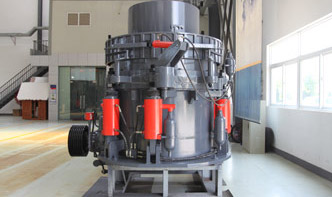
2. Secondary Crushing: Cone crushers or impact crushers further reduce the material to 20–50 mm, optimizing particle shape for downstream use.
3. Tertiary Crushing/Fine Grinding: Vertical shaft impactors (VSIs) or hammer mills produce sand-sized particles (0–5 mm), critical for high-grade concrete.
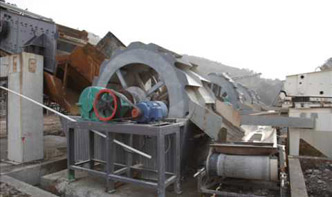
4. Screening and Washing: Vibrating screens classify aggregates, while log washers remove clay impurities, ensuring product purity.
Key Considerations
FAQs
Q: What’s the difference between calcite and limestone processing?
A: Calcite (CaCO₃) often requires finer grinding for industrial fillers, while limestone aggregates prioritize particle strength and gradation.
Q: How to minimize over-crushing in limestone circuits?
A: Use multi-stage screening to recycle oversized material and adjust crusher closed-side settings (CSS) dynamically.
Engineering Case
A quarry in Texas upgraded to a three-stage crushing system (jaw + cone + VSI) with a 500 TPH capacity, achieving 95% cubical aggregates for asphalt mixes. The plant reduced waste by 15% through closed-circuit water recycling.
Future Trends
Automated sorting technologies and electric crushers are gaining traction to lower carbon footprints. High-performance wear parts (e.g., manganese liners) extend equipment life in abrasive limestone operations.
Conclusion
Optimizing calcite and limestone extraction hinges on selecting robust, energy-efficient crushing solutions tailored to material properties and end-use specifications. Continuous innovation in wear resistance and automation will drive the industry’s sustainable growth.

