The Essential Role of Crushing and Screening Equipment in the Aggregates Industry
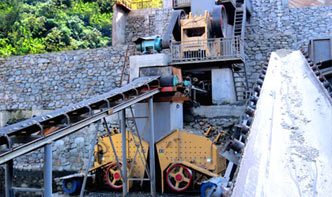
The aggregates industry is a cornerstone of modern infrastructure, providing the raw materials for construction, roads, and concrete production. Central to this industry are crushing and screening equipment, which transform raw materials like limestone, granite, and basalt into high-quality sand, gravel, and crushed stone. As demand for sustainable and efficient solutions grows, manufacturers of coal quarry equipment are evolving to meet these challenges.
Core Equipment in Aggregate Processing
1. Jaw Crushers: Ideal for primary crushing, these machines handle large rocks with high compressive strength, breaking them into manageable sizes.
2. Cone Crushers: Suited for secondary or tertiary crushing, they produce uniformly shaped aggregates for precision applications.
3. Impact Crushers: Versatile for both soft and hard materials, these are often used in sand production and recycling operations.
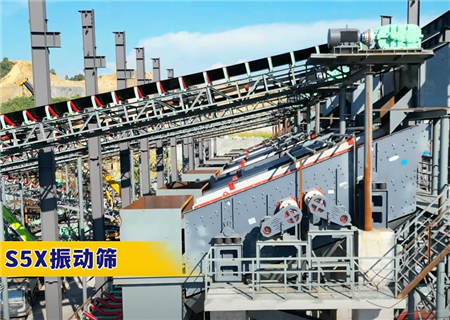
4. Vibrating Screens: Critical for grading and separating aggregates by size, ensuring product consistency.
Key Trends Shaping the Industry
FAQs in Aggregate Processing
Q: How to choose the right crusher for a quarry?
A: Consider material hardness, required output size, and production capacity. Jaw crushers suit hard rocks, while impact crushers excel in softer materials.
Q: What maintenance practices extend equipment life?
A: Regular lubrication, wear-part inspections, and timely replacement of liners and blow bars are essential.
Project Case: Limestone Quarry in Texas
A leading aggregates producer deployed a three-stage crushing plant (jaw crusher, cone crusher, and VSI) to process 500 tons/hour of limestone. The setup achieved 95% efficiency with automated screening, reducing oversize material by 30%.
Conclusion
Crushing and screening equipment is the backbone of the aggregates industry. By leveraging innovative designs and sustainable practices, manufacturers continue to drive productivity while meeting global infrastructure demands.

