The Role of Coal Pulverizers in Modern Mineral Processing: A Focus on Ball and Race Mills
The mineral processing and aggregate industry relies heavily on efficient crushing and grinding equipment to produce high-quality sand and stone aggregates. Among these, coal pulverizers—particularly the ball and race mill design—play a critical role in thermal power plants and industrial applications where coal is a primary fuel source.
Coal pulverization is essential for optimizing combustion efficiency in power generation. The ball and race mill, a type of coal pulverizer, grinds raw coal into fine powder, enabling better fuel-air mixing and cleaner burning. This technology is also adaptable to mineral processing, where fine grinding is required for downstream operations like cement production or aggregate refinement.
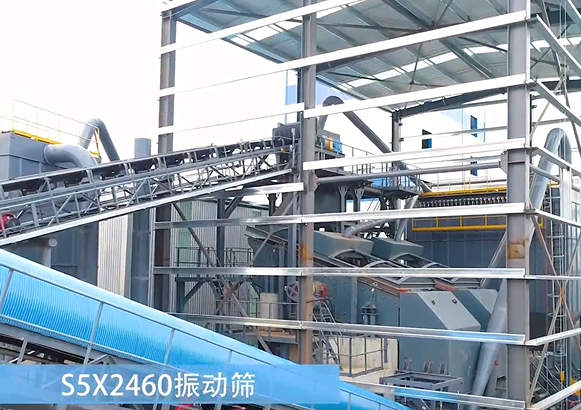
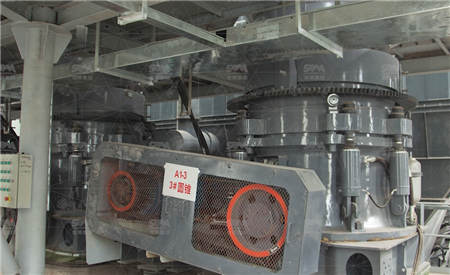
The ball and race mill operates on a simple yet effective principle:
1. Grinding Elements: Multiple balls (or rollers) rotate within a stationary race, crushing coal or other materials fed into the mill.
2. Dynamic Separation: Ground material is carried by airflow to a classifier, where oversized particles are recirculated for further grinding.
3. Low Maintenance: Unlike hammer mills, the ball and race design minimizes wear on components, reducing downtime.
This design excels in handling abrasive materials, making it suitable for hard rock or slag grinding in aggregate production lines.
Q: Can ball and race mills process materials other than coal?
A: Yes. While optimized for coal, they can grind limestone, gypsum, and certain ores with proper adjustments.
Q: How does wear affect performance?
A: Regular inspection of balls and races is critical. Hardfacing or ceramic linings can extend service life.
Q: What maintenance is required?
A: Lubrication checks, alignment verification, and classifier tuning are standard.
A Southeast Asian power plant retrofitted its coal pulverizers with ball and race mills, achieving:
The ball and race mill remains a versatile solution for coal and mineral pulverization, bridging the gap between energy production and aggregate processing. Its robustness and efficiency make it indispensable in modern industrial workflows.

