Understanding Stone Volume and Weight in the Aggregate Industry
The aggregate industry is a cornerstone of construction, providing essential materials like crushed stone, sand, and gravel for infrastructure projects. A common question in this field is: How many cubic yards are in a ton of stone? The answer depends on the material’s density, which varies by type. Generally, crushed stone weighs approximately 1.25 to 1.35 tons per cubic yard, meaning one ton equates to roughly 0.74 to 0.80 cubic yards.
Aggregates are the second-most consumed material globally after water. They form the foundation for roads, bridges, and buildings. With urbanization driving demand, efficient crushing and screening equipment is critical to meet specifications for particle size, shape, and cleanliness.
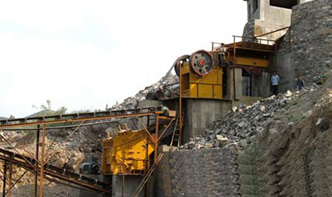
1. Jaw Crushers: Primary crushing of large rocks into manageable sizes.
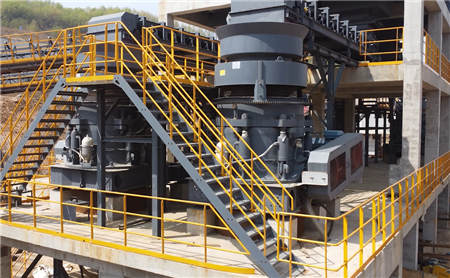
2. Cone Crushers: Secondary crushing for finer aggregates.
3. Impact Crushers: Ideal for producing cubical-shaped stone, suitable for high-quality concrete.
4. VSI Crushers: Specialized for manufactured sand (M-sand) with precise gradation.
5. Screening Plants: Separate aggregates by size for optimal usability.
Q: How do I convert tons to cubic yards for different materials?
A: Use the material’s bulk density. For example:
Q: What’s the difference between washed and unwashed aggregates?
A: Washed aggregates remove clay and silt, critical for concrete mixes. Unwashed is cheaper but may compromise strength.
A Texas-based quarry increased production by 20% after upgrading to a VSI crusher for M-sand, reducing waste and improving particle shape for premium concrete applications.
Precise volume-to-weight conversions and equipment selection are vital for profitability and sustainability in aggregates. Partnering with experienced crushing solution providers ensures optimal production efficiency.
(Note: Always consult material-specific density data for accurate conversions.)

