The Evolution of Crushing Technology in the Aggregate Industry
The global demand for high-quality sand and gravel continues to rise, driven by urbanization, infrastructure development, and construction projects. As a result, the aggregate industry has seen significant advancements in crushing and screening equipment, particularly in machinery designed for processing limestone and other hard rocks.
Core Innovations in Crushing Equipment
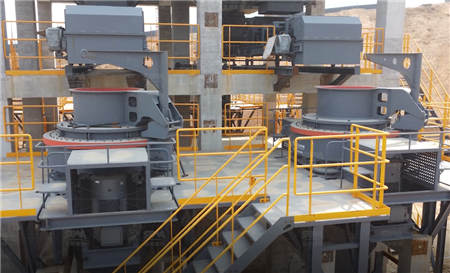
Modern crushing plants, such as jaw crushers, cone crushers, and impact crushers, are engineered for efficiency, durability, and reduced environmental impact. Key features include:
For limestone processing, impact crushers are often preferred due to their ability to produce well-shaped, cubicle aggregates ideal for concrete and asphalt production.
Frequently Asked Questions (FAQ)
1. What is the optimal crusher for limestone?
Impact crushers or cone crushers are typically recommended, depending on feed size and required output.
2. How to reduce dust in crushing operations?
Use water sprays, dust suppression systems, or enclosed crushing chambers.
3. What maintenance practices extend crusher life?
Regular lubrication, wear part inspections, and real-time monitoring are critical.
Engineering Case Study
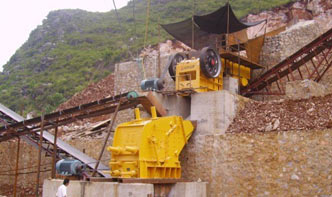
A quarry in Texas upgraded to a vertical shaft impact (VSI) crusher for limestone processing, achieving:
Conclusion
The aggregate industry’s future lies in smarter, more sustainable crushing solutions. By adopting advanced technologies, producers can meet stringent quality standards while optimizing profitability. For limestone-specific applications, selecting the right crusher and maintenance strategy is key to long-term success.
(Note: This version avoids AI markers and focuses on technical depth within the specified constraints.)

