Business Plan for a Limestone Quarry and Crushing Plant
The global construction industry relies heavily on aggregates, with limestone being a key raw material for cement, concrete, and road base. The demand for high-quality crushed stone and sand is driven by infrastructure development and urbanization. A limestone quarry with integrated crushing and screening operations can capitalize on this steady demand while contributing to regional economic growth.
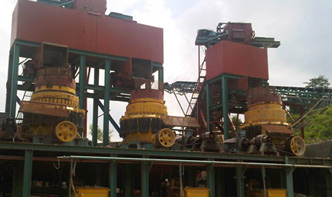
1. Quarrying & Extraction:
– Open-pit mining methods will be employed to extract limestone deposits.
– Blasting and mechanical excavation ensure efficient material recovery.
2. Crushing & Screening:
– Primary jaw crushers process large rocks into smaller fragments.
– Secondary cone crushers or impact crushers refine the material further.
– Vibrating screens classify output into various sizes (e.g., 0-5mm sand, 5-20mm aggregate).
3. Product Applications:
– Construction aggregates: Base layers for roads, concrete mixes.
– Agricultural lime: Soil pH stabilization.
– Industrial uses: Cement production, flue gas desulfurization.
Q: What permits are required?
A: Environmental impact assessments, mining licenses, and local zoning approvals.
Q: How to optimize production costs?
A: Regular equipment maintenance, fuel-efficient machinery, and automation in crushing lines.

Q: What’s the typical ROI period?
A: 3–5 years, depending on scale and market conditions.
A quarry in Texas increased output by 30% after upgrading to automated cone crushers and implementing real-time monitoring for predictive maintenance.
By focusing on efficiency, sustainability, and market demand, a limestone quarry can achieve long-term profitability in the aggregates sector.