Iron Ore Cobbing Equipment in Pit: Enhancing Efficiency in Mineral Processing
The mining and aggregates industry relies heavily on robust equipment to extract, crush, and process raw materials like iron ore. In-pit cobbing equipment plays a critical role in the initial stages of ore beneficiation, where coarse crushing and waste removal are essential to optimize downstream processing.
Iron ore mining involves extracting ore from open pits or underground deposits, followed by crushing, grinding, and separation to produce marketable concentrate. Cobbing—the process of removing waste rock (gangue) from ore—reduces transportation and processing costs. In-pit cobbing equipment, such as jaw crushers, gyratory crushers, and sizers, is deployed directly at the extraction site to pre-process ore before it reaches the plant.
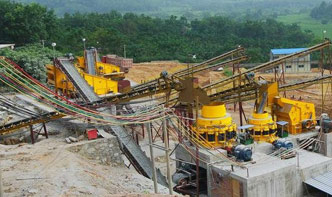
1. Jaw Crushers: Ideal for primary crushing, these machines handle large feed sizes and deliver consistent output for further processing.
2. Gyratory Crushers: Suited for high-capacity operations, they offer continuous crushing with minimal downtime.
3. Sizers: These low-profile crushers excel in sticky or wet ore conditions, reducing clogging and improving efficiency.
Modern cobbing systems integrate sensors and automation to monitor performance, ensuring optimal feed rates and minimizing energy consumption.
Q: What is the difference between cobbing and scrubbing?
A: Cobbing focuses on coarse waste removal, while scrubbing involves washing and disaggregating clay-bound ores.
Q: Can in-pit cobbing handle wet or sticky ore?
A: Yes, specialized equipment like sizers and hybrid crushers are designed for such challenging conditions.
A major iron ore mine in Australia implemented in-pit cobbing with primary jaw crushers and secondary sizers. This reduced plant feed by 30% waste material, lowering energy consumption by 15% and extending the lifespan of downstream grinding equipment.
In-pit cobbing is a game-changer for iron ore operations, improving economics and sustainability. Advances in crushing technology continue to enhance efficiency, making it a cornerstone of modern mineral processing.

