The Role of Screw Conveyors in Aggregates and Sand Processing
The aggregates and sand processing industry relies heavily on efficient material handling systems to transport bulk materials like crushed stone, sand, and gravel. Among these systems, screw conveyors play a critical role due to their versatility, compact design, and ability to handle abrasive materials.
Understanding Screw Conveyor Flight Design
A key component of screw conveyors is the flight—the helical blade that moves material. Flattening a screw conveyor flight in software like PTC Creo (Pro/ENGINEER) involves creating a 2D development of the helical surface for fabrication. This process ensures accurate cutting and welding of flights onto the central shaft, which directly impacts conveyor efficiency and longevity.
Applications in Aggregates Production
Screw conveyors are widely used in:
Their enclosed design minimizes dust emissions, a critical factor in modern environmental compliance.
Common FAQs
1. How to prevent premature wear in abrasive applications?
Use hardened flights or replaceable liners. Carbide-edged flights excel in high-abrasion environments.
2. What’s the optimal pitch for sand handling?
Standard pitch (equal to screw diameter) works for most sand, while reduced pitch improves efficiency for fines.
3. How to avoid material buildup?
Ensure adequate clearance between flight and trough. Stainless steel construction resists adhesion for sticky materials.
Engineering Case: Sand Washing Plant
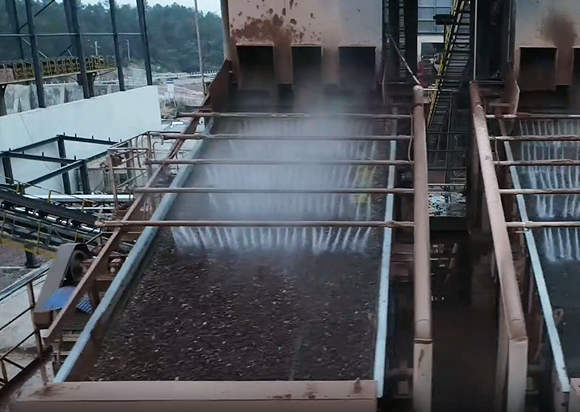
A Texas-based sand producer upgraded their screw conveyors with flattened, laser-cut flights (modeled in Creo) to replace worn components. The precision-cut flights reduced vibration by 30% and extended service life by 2 years, cutting downtime by 15%.
Future Trends
Advancements include:
For aggregates professionals, mastering flight design tools like Creo and selecting appropriate materials are pivotal to optimizing conveyor performance in demanding mineral processing environments.

