The Essential Guide to Cobblestone Screening and Sizing in Aggregate Production
The aggregate industry plays a pivotal role in construction, providing materials like crushed stone, sand, and gravel for infrastructure projects. Among these, cobblestone—a durable, naturally rounded rock—is widely used for paving, landscaping, and erosion control. Proper screening and sizing are critical to ensuring quality and efficiency in cobblestone processing.
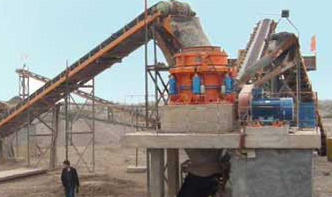
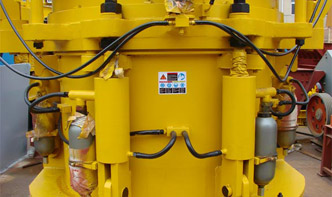
1. Primary Crushing: Cobblestones are first reduced in size using jaw or cone crushers to create manageable pieces.
2. Screening: Vibrating screens separate the crushed material into uniform size fractions. Common screen meshes range from 10 mm to 100 mm, depending on end-use requirements.
3. Secondary Sizing: For finer applications, impact crushers or roll crushers further refine the material.
4. Washing (Optional): To remove dust and impurities, some operations include a washing step using log washers or sand screws.
Q1: What are the standard cobblestone sizes for paving?
A: Typical sizes range from 50 mm to 150 mm for walkways, while larger stones (150–300 mm) are used for driveways or retaining walls.
Q2: How do you minimize fines (small particles) in cobblestone screening?
A: Adjusting screen angles, using rubber-coated screens, or implementing wet screening can reduce fines.
Q3: Can recycled cobblestone be reused?
A: Yes, crushed and screened recycled cobblestone is often repurposed for sub-base materials or drainage solutions.
A contractor in Europe processed 5,000 tons of cobblestone for a historic city square renovation. Using a three-stage crushing and screening system, they achieved:
The project reduced waste by 30% and ensured durability for heavy pedestrian traffic.
Efficient cobblestone screening and sizing optimize material quality and reduce operational costs. By selecting the right equipment and processes, producers can meet diverse construction demands while enhancing sustainability.

