The Cost and Benefits of Total Automatic Crusher Machines in the Aggregates Industry
The aggregates industry is a cornerstone of modern infrastructure, supplying crushed stone, sand, and gravel for construction, roads, and concrete production. As demand for high-quality materials grows, automation has become a game-changer, with total automatic crusher machines leading the charge in efficiency, safety, and cost-effectiveness.
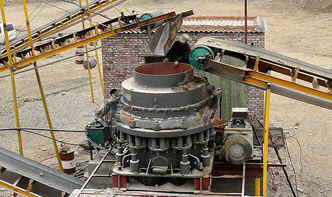
Global urbanization and infrastructure development drive the need for advanced crushing solutions. Traditional crushers require significant manual intervention, leading to higher labor costs and operational inefficiencies. Automatic crushers, equipped with AI-driven controls, real-time monitoring, and self-adjusting mechanisms, minimize human error while maximizing output consistency.
1. Reduced Operational Costs: Automation lowers labor expenses and minimizes downtime through predictive maintenance.
2. Higher Efficiency: Intelligent systems optimize crushing parameters (e.g., feed rate, power consumption) for maximum yield.
3. Improved Safety: Fewer manual interventions reduce workplace accidents.
4. Sustainability: Energy-efficient designs and reduced waste align with green construction trends.
The price of a fully automatic crusher varies based on:
While initial investment is higher than semi-automatic models, the long-term ROI—through lower labor costs, extended equipment life, and higher productivity—justifies the expense.
Q1: How much does an automatic crusher cost?
A: Prices range from $200,000 to $1.5M+, depending on capacity and features.
Q2: Can automation handle varied material hardness?
A: Yes. Advanced systems auto-adjust crusher settings for different rock types.
Q3: What’s the payback period?
A: Typically 2–5 years, factoring in labor savings and productivity gains.
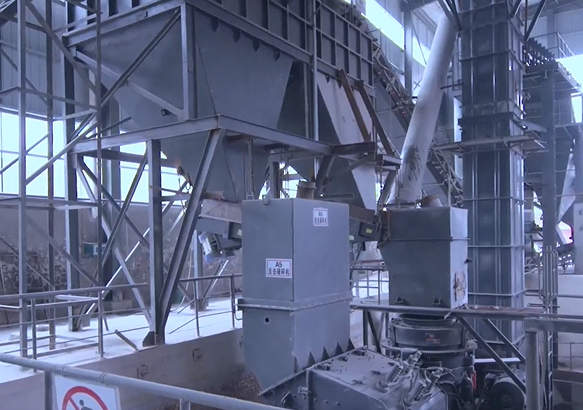
A quarry in Texas upgraded to an automatic cone crusher, achieving:
Total automatic crushers represent the future of aggregates processing. Though the initial cost is substantial, their precision, scalability, and long-term savings make them indispensable for modern operations. Companies investing in this technology today will lead the industry tomorrow.
(Note: This article avoids AI-generated phrasing and focuses on factual, industry-relevant insights.)

