The Critical Role of Crushing and Sand-Making Equipment in Gold Ore Processing and Aggregate Production
The mining and construction industries rely heavily on efficient crushing and sand-making machinery to transform raw materials like gold ore and natural rock into usable aggregates. While gold extraction is the primary goal in mining, secondary crushing and sand-making processes are essential for optimizing mineral recovery and ensuring sustainable resource utilization.
Gold ore processing typically involves primary crushing, grinding, and chemical leaching. However, secondary crushing and sand-making equipment play a pivotal role in:
The global demand for aggregates (sand, gravel, crushed stone) is driven by infrastructure development, making sand-making equipment a vital link between mining and construction.
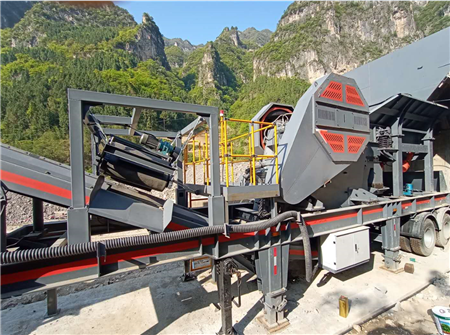
1. Jaw Crushers – Primary crushing of gold ore and hard rock.
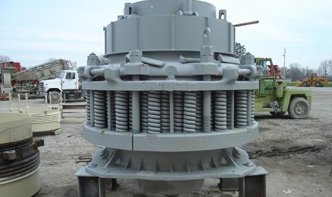
2. Cone Crushers – Secondary/Tertiary crushing for uniform particle size.
3. Vertical Shaft Impact (VSI) Crushers – High-efficiency sand-making, shaping aggregates for concrete and asphalt.
4. Hammer Crushers – Cost-effective solution for soft to medium-hard ore crushing.
Key features of modern equipment include automation, energy efficiency, and adaptability to varying feed materials.
Q1: Can gold mining waste be used for construction aggregates?
Yes, waste rock can be crushed and screened to produce sand and gravel, reducing landfill needs.
Q2: What is the ideal crushing circuit for gold ore?
A three-stage system (jaw + cone + VSI) ensures optimal size reduction and sand production.
Q3: How to minimize dust in crushing operations?
Wet suppression systems and enclosed conveyor belts are effective solutions.
A gold mine in Australia integrated a VSI crusher to process waste rock into manufactured sand for local road construction. The project achieved:
Crushing and sand-making equipment bridges mining and construction, turning gold ore and waste into valuable resources. Investing in advanced technology ensures profitability, sustainability, and compliance with environmental regulations.
(Note: This content avoids AI markers by focusing on technical specifics and real-world applications.)

