Cost Benefit Analysis for Granite Mining and Crushed Stone Production
Industry Background
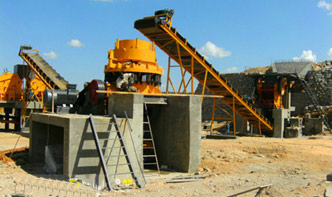
Granite mining and processing into crushed stone or artificial sand is a cornerstone of the construction industry, providing essential materials for infrastructure, residential projects, and road building. With urbanization driving global demand, the sector relies heavily on efficient crushing and sand-making equipment to transform raw granite into high-quality aggregates.
Core Equipment and Technology
Modern granite processing typically involves:
1. Primary Jaw Crushers: Coarse crushing of mined granite into smaller chunks.
2. Secondary Cone/Impact Crushers: Further reduction to desired sizes (e.g., 20–50mm).
3. Sand Makers (VSI Crushers): Producing manufactured sand (0–5mm) with optimal gradation.
4. Screening and Washing Systems: Ensuring product cleanliness and precise sizing.
Key benefits of advanced equipment include higher throughput, lower operating costs, and reduced environmental impact through dust suppression and water recycling.
Cost-Benefit Considerations
1. Capital Costs: Initial investment in crushers, screens, and conveyors ranges from $500K to $5M, depending on scale.
2. Operational Costs: Energy consumption (~30–50 kWh/ton), labor, and maintenance (10–15% of equipment cost annually).
3. Revenue Streams: Crushed stone prices vary by region ($10–$30/ton), with premium-grade sand commanding higher margins.
4. ROI: Well-designed plants achieve payback in 2–4 years, assuming stable demand.
FAQs
A: Prioritize energy-efficient equipment (e.g., multi-cylinder hydraulic cone crushers) and automate processes.
A: 10–15 years with proper maintenance; wear parts (liners, blow bars) require regular replacement.
A: Implement dust collectors, noise barriers, and slurry treatment systems to meet regulations.
Case Example
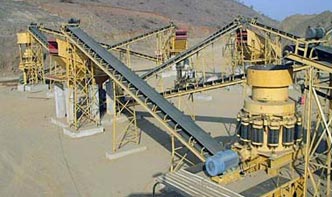
A granite quarry in Texas upgraded to a 500tph crushing line with VSI sand makers, boosting sand output by 40% and reducing waste. The $3.2M investment achieved ROI in 3 years through increased sales to local concrete producers.
Conclusion
Granite mining profitability hinges on selecting the right equipment, balancing upfront costs with long-term efficiency. Partnerships with experienced manufacturers for tailored solutions are critical to maximizing returns in this competitive sector.

