The Role of Limestone Crushers in Boiler Systems and Aggregate Production
Industry Background
Limestone plays a critical role in both industrial boiler systems and the construction aggregate sector. In boiler applications, crushed limestone is used as a sorbent to capture sulfur dioxide (SO₂) emissions via flue gas desulfurization (FGD). Meanwhile, in the aggregate industry, limestone is a primary material for producing high-quality sand and stone for concrete, asphalt, and road bases.
Core Product: Limestone Crusher for Boilers
A limestone crusher designed for boiler systems must meet stringent requirements:
1. Particle Size Control: Crushed limestone for FGD typically requires a fine powder (80% passing 200 mesh) to maximize reactivity with SO₂.
2. Wear Resistance: Limestone’s abrasive nature demands crushers with high-chromium blow bars or manganese steel liners.
3. Dust Suppression: Enclosed designs or water-spray systems minimize airborne particulates, ensuring compliance with environmental regulations.
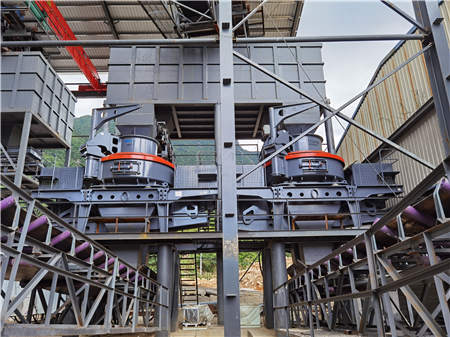
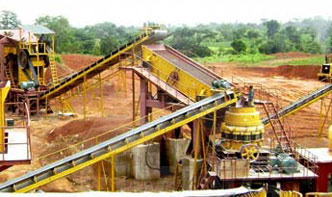
Common crusher types include:
FAQ
1. Why is limestone used in boilers?
It neutralizes acidic SO₂ emissions, reducing air pollution.
2. What maintenance is required for limestone crushers?
Regular inspection of wear parts (e.g., hammers, liners) and lubrication systems.
3. Can the same crusher handle aggregate production?
Yes, but settings (e.g., rotor speed, screen size) must be adjusted for coarser outputs like 3/4″ aggregate.
Engineering Case Study
A power plant in Texas retrofitted its boiler system with a vertical shaft impact (VSI) crusher to process 500 TPH of limestone for FGD. The solution reduced SO₂ emissions by 95% while cutting energy costs by 20% compared to traditional ball mills.
Conclusion
Limestone crushers are versatile tools bridging environmental compliance and construction needs. Selecting the right crusher—whether for boiler sorbents or aggregate production—requires balancing particle size, durability, and operational efficiency.

