The Role of Impact Crushers in the Aggregates Industry: A Focus on SBM RCL 1238
The aggregates and sand production industry is a cornerstone of modern construction, providing essential materials for infrastructure, concrete, and road building. Central to this sector are crushing technologies, with impact crushers like the SBM RCL 1238 playing a pivotal role in producing high-quality, cubical aggregates efficiently.
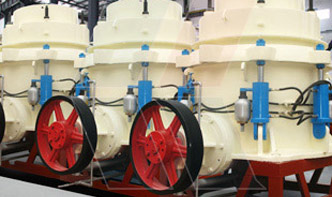
Global demand for aggregates continues to rise, driven by urbanization and infrastructure projects. Impact crushers are favored for their versatility, capable of processing medium-hard to hard materials such as limestone, granite, and recycled concrete. Their ability to deliver a high reduction ratio and excellent particle shape makes them indispensable in sand and gravel plants.
The SBM RCL 1238 impact crusher exemplifies advanced engineering tailored for productivity and durability. Key attributes include:
1. What materials can the RCL 1238 process?
It handles limestone, demolition waste, and abrasive rocks, but avoid overly sticky or moist feeds to prevent clogging.
2. How does it compare to jaw or cone crushers?
Impact crushers excel in shape correction and are ideal for secondary/tertiary crushing, whereas jaw crushers suit primary crushing.
3. What maintenance is required?
Regular inspection of blow bars, bearings, and lubrication systems is critical.
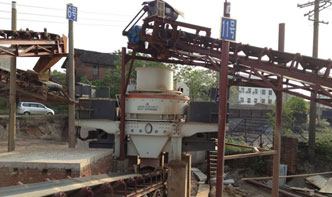
A quarry in Germany upgraded to the SBM RCL 1238 to replace an aging vertical shaft impactor (VSI). The result:
The SBM RCL 1238 impact crusher addresses the aggregates industry’s need for efficiency, adaptability, and cost-effectiveness. As sustainability and recycling gain prominence, such technologies will remain vital in shaping the future of construction materials.
(Note: For specific technical inquiries, consult SBM’s official documentation or regional distributors.)

