The Role of Crushing and Sand-Making Equipment in the Aggregates Industry
The global construction boom has driven unprecedented demand for high-quality sand and aggregates, making the crushing and sand-making equipment sector a cornerstone of modern infrastructure development. As natural sand reserves dwindle due to environmental regulations, manufactured sand (M-Sand) produced by crushing machinery has emerged as a sustainable alternative.
Core Technologies in Crushing and Sand-Making
1. Jaw Crushers: Primary crushing units for hard rocks like granite and basalt, delivering coarse aggregates.
2. Cone Crushers: Secondary/Tertiary stages for precise particle sizing, ideal for high-abrasion materials.
3. Vertical Shaft Impactors (VSI): Key for shaping cubical M-Sand, reducing flakiness in final products.
4. Vibrating Screens: Ensure grading accuracy by separating particles into specified sizes.
Advanced automation (e.g., IoT sensors) optimizes throughput and minimizes downtime, while hybrid power solutions reduce carbon footprints.
Industry Challenges & FAQs
A: Closed-loop systems with water sprays or dry fog dust suppression are now industry standards.
A: High-chrome blow bars and manganese liners typically last 60–120 MTon, depending on material hardness.
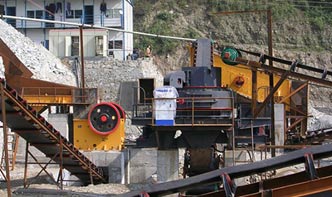
Engineering Case Study
A river gold mining project in Canada repurposed a retired granite quarry by deploying a mobile crushing plant (jaw + VSI configuration). The setup processed alluvial deposits and waste rock into ASTM-certified aggregates for nearby road construction, achieving 250 TPH output with <5% oversize.
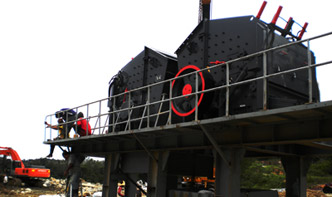
Future Trends
The shift toward circular economies is pushing sand-makers to integrate recycled concrete aggregates (RCA) processing lines. Meanwhile, modular plants are gaining traction for remote mining sites, reducing logistics costs.
As sustainability mandates tighten, innovation in crushing technology will remain pivotal to meeting the world’s infrastructure needs responsibly.

