Gypsum Mining Business Plan: Industry Insights & Key Considerations
Gypsum, a versatile mineral widely used in construction (e.g., drywall, cement) and agriculture (soil conditioner), drives steady demand globally. The mining sector requires efficient extraction, crushing, and processing to meet quality standards. With urbanization and infrastructure growth, gypsum-based products are essential, making mining a viable venture.
1. Exploration & Extraction: Gypsum deposits are typically surface-mined. Geotechnical surveys ensure resource viability.
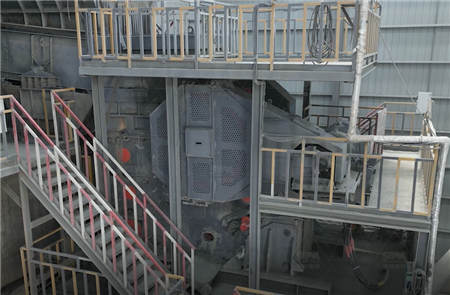
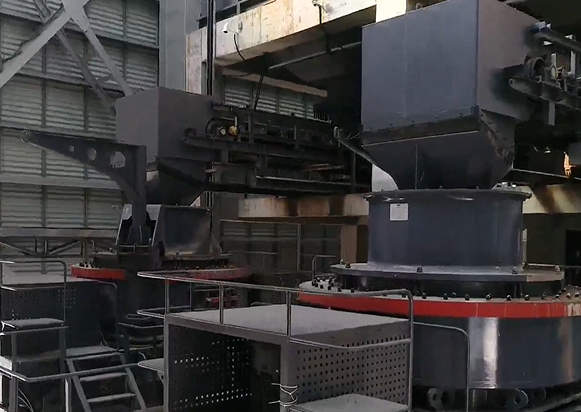
2. Crushing & Grinding: Primary jaw crushers reduce large gypsum rocks to manageable sizes, followed by secondary cone/impact crushers for finer particles.
3. Screening & Calcination: Vibrating screens classify materials, while rotary kilns calcine gypsum to produce plaster of Paris.
4. Dust Control & Sustainability: Bag filters and water sprays mitigate dust, ensuring environmental compliance.
Q1: What’s the typical gypsum mining ROI?
A: ROI depends on deposit quality and market prices, but margins often exceed 20–30% with optimized operations.
Q2: How to handle gypsum’s moisture sensitivity?
A: Store crushed gypsum in covered silos; use dryers if moisture exceeds 5%.
Q3: Environmental regulations?
A: Permits for land use, water management, and dust suppression are critical.
A 200-ton/hour plant utilized a two-stage crushing system (jaw crusher + impact crusher) and achieved 95% <50mm output, supplying local cement factories.
Gypsum mining demands strategic planning, robust equipment, and compliance. Partnering with experienced machinery suppliers ensures operational efficiency and scalability.

