Crushing and Screening Iron Ore: A Comprehensive Guide
Iron ore is a critical raw material for steel production, and its processing involves crushing and screening to achieve the desired size and quality for downstream operations. The mining and aggregates industry relies heavily on robust crushing and screening equipment to optimize efficiency, reduce waste, and meet stringent quality standards.
1. Primary Crushers
– Jaw crushers and gyratory crushers are commonly used for primary crushing, reducing large ore chunks (up to 1.5m) to manageable sizes (~200mm).
– High-capacity machines with wear-resistant liners are preferred for abrasive iron ore.
2. Secondary & Tertiary Crushers
– Cone crushers and impact crushers further refine the material to ≤30mm, ensuring optimal feed for grinding circuits.
– Hydraulic adjustment systems improve particle size control.
3. Screening Systems
– Vibrating screens (linear, circular, or banana-type) classify crushed ore into grades (e.g., lump vs. fines).
– Multi-deck screens maximize efficiency by separating multiple size fractions in one pass.
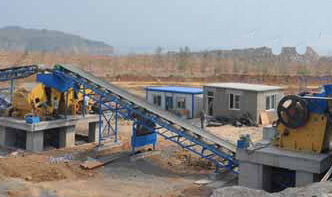
Q: What’s the optimal crusher for high-silica iron ore?
A: Cone crushers with manganese steel mantles handle abrasive silica better than impact crushers.
Q: How to reduce screen blinding in wet ore?
A: Use polyurethane screens or high-frequency vibrating screens to prevent material buildup.
Q: Can mobile crushers replace stationary plants?
A: Yes, for small to mid-scale operations; but stationary plants offer higher longevity for large mines.
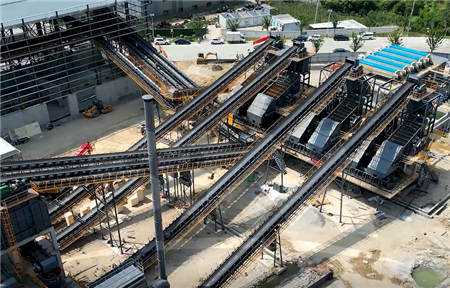
A major Australian mine deployed a 3-stage crushing circuit (jaw + cone + VSI) with banana screens, achieving 12Mtpa output. Automation reduced downtime by 20%, while modular design allowed quick relocation.
Efficient iron ore crushing and screening demand tailored solutions. Advances in wear materials, automation, and modular designs are reshaping the industry, ensuring higher productivity and lower operational costs.

