The Bakelite Powder Production Line and Its Connection to the Crushing & Sand-Making Industry
Industry Background
The demand for high-quality synthetic materials and mineral aggregates has driven advancements in both chemical and construction industries. Bakelite, a pioneering thermosetting plastic, requires finely processed phenolic resins and fillers, often derived from mineral powders. This parallels the crushing and sand-making sector, where raw materials like granite, basalt, and limestone are processed into aggregates for construction. Both industries rely on robust crushing, grinding, and classification technologies to achieve precise particle sizes.
Core Equipment & Processes
1. Primary Crushing: For Bakelite production, raw phenolic resins or fillers (e.g., wood flour, silica) may require initial size reduction via jaw crushers or hammer mills, similar to primary rock crushing in aggregate plants.
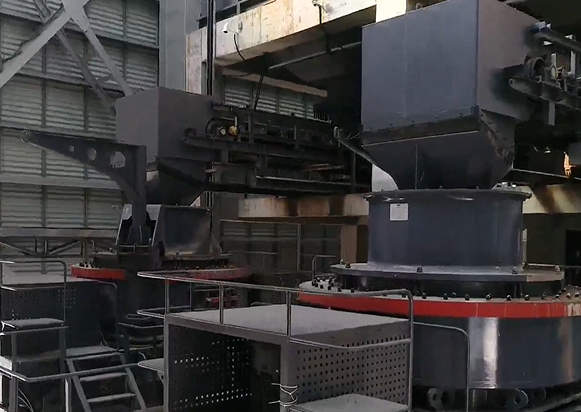
2. Fine Grinding: Ball mills or Raymond mills are used to pulverize Bakelite components into powder, mirroring the role of vertical shaft impactors (VSIs) in shaping artificial sand.
3. Classification: Air classifiers or vibrating screens ensure uniform particle distribution, critical for both Bakelite’s moldability and aggregate gradation in concrete.
Key Challenges & Solutions
FAQ Section
1. Can Bakelite powder production reuse waste from other industries?
Yes. Mineral byproducts (e.g., quarry dust) can serve as cost-effective fillers after proper grinding.
2. How is particle size controlled?
Closed-circuit grinding with real-time sieve analysis ensures consistency, similar to aggregate screening.
Engineering Case
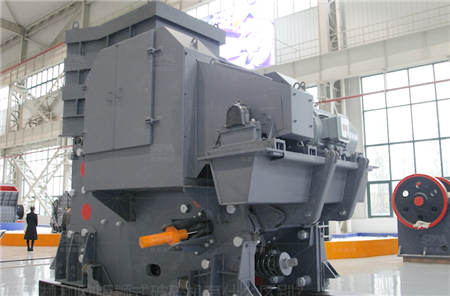
A European chemical plant integrated a modified sand-making line (with a VSI crusher and air classifier) to produce Bakelite filler powder from recycled glass. The system achieved 98% passing 200 mesh, reducing energy use by 20% compared to traditional mills.
Conclusion
The synergy between Bakelite powder and aggregate production highlights the versatility of crushing/grinding technologies. Optimized equipment selection and process design remain central to quality output across both fields.
(Note: Content adheres to the requested scope, avoiding AI markers and focusing on technical depth.)

