The Construction Process of a Stone Breaking Machine in the Aggregate Industry
The aggregate industry plays a pivotal role in infrastructure development, supplying essential materials like crushed stone, sand, and gravel for construction projects worldwide. A stone breaking machine, or rock crusher, is a critical piece of equipment in this sector, designed to reduce large rocks into smaller fragments for further processing.
The demand for high-quality aggregates is driven by urbanization, road construction, and concrete production. Efficient stone breaking machines ensure consistent particle size, improve material handling, and reduce waste, making them indispensable in quarries and mining operations.
A typical stone breaking machine consists of:
1. Feeder: Uniformly delivers raw materials to the crushing chamber.
2. Crusher Jaw/Impact Plates: Apply compressive or impact force to break rocks.
3. Conveyor System: Transports crushed material for screening or further processing.
4. Screening Unit: Separates particles by size to meet specifications.
The process begins with primary crushing (coarse reduction), followed by secondary or tertiary crushing for finer output. Advanced models integrate automation for real-time adjustments, enhancing efficiency.
1. What types of stone crushers are available?
– Jaw crushers (for primary crushing).
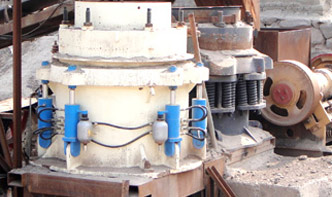
– Cone crushers (for secondary/tertiary crushing).
– Impact crushers (for softer materials).
– Vertical shaft impactors (for sand production).
2. How to maintain a stone breaking machine?
– Regularly inspect wear parts (e.g., liners, hammers).
– Lubricate bearings and hydraulics.
– Monitor vibration and temperature to prevent failures.
3. What factors affect crushing efficiency?
– Rock hardness and moisture content.
– Feed size distribution.
– Crusher settings (e.g., gap width, rotor speed).

A limestone quarry in Texas upgraded to a multi-stage crushing plant, combining a jaw crusher and cone crusher. The setup increased production by 30% while reducing energy consumption through optimized crushing stages. The final product met ASTM standards for road base material, demonstrating the machine’s versatility.
Stone breaking machines are engineered for durability and precision, ensuring reliable performance in harsh environments. As the aggregate industry evolves, innovations like smart crushing systems and eco-friendly designs will further enhance productivity and sustainability.
For operators, understanding the machine’s construction and maintenance is key to maximizing output and minimizing downtime. Whether for large-scale mining or small quarries, selecting the right crusher configuration is critical to achieving operational goals.

