The Dangers and Considerations of Living Near a Limestone Mine: Implications for the Aggregate Industry
The limestone mining and aggregate production industry plays a vital role in global construction, providing essential materials for infrastructure, roads, and concrete. However, residing near a limestone mine or quarry raises legitimate concerns about health, safety, and environmental impacts.
Industry Background
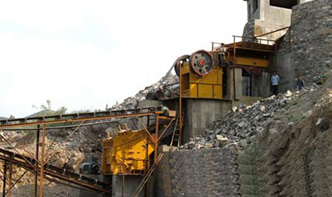
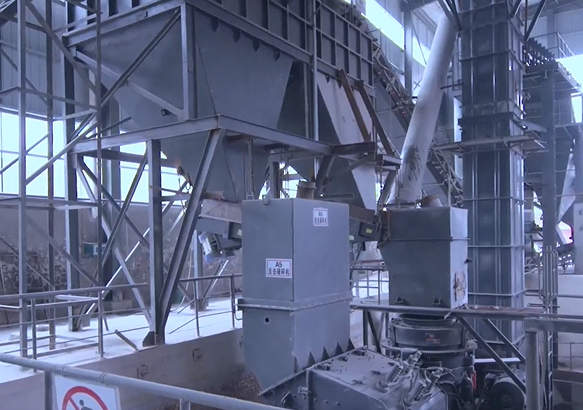
Limestone is a fundamental raw material for cement, crushed stone, and industrial fillers. Modern mining operations prioritize sustainability, yet proximity to residential areas can introduce challenges such as dust pollution, noise, and groundwater contamination. Processing facilities often employ crushing, screening, and conveying equipment to produce high-quality aggregates, but these activities generate particulate matter (PM10/PM2.5) and vibrations that may affect nearby communities.
Core Risks of Limestone Mining Near Habitations
1. Dust Emissions: Crushing and blasting release fine particles, potentially causing respiratory issues (e.g., silicosis) or soil degradation. Wet suppression systems and enclosed conveyor belts are mitigation measures.
2. Noise Pollution: Heavy machinery (e.g., jaw crushers, impact crushers) and transport trucks exceed 85 dB. Buffer zones and sound barriers are critical.
3. Water Contamination: Runoff from mines may alter pH levels or introduce sediments into local water bodies. Proper sedimentation ponds and liners are mandatory.
4. Blasting Vibrations: Controlled explosions can damage structures if not monitored. Seismic sensors and reduced charge loads minimize risks.
Mitigation Strategies
FAQ
Q: Can limestone mining cause sinkholes?
A: Yes, over-extraction may destabilize karst terrain. Proper geological surveys are essential.
Q: How far should homes be from a quarry?
A: Recommended setbacks vary (often 500m–2km), depending on local regulations and mitigation measures.
Case Study
A project in Texas (USA) implemented hybrid electric crushers and real-time air monitors, reducing dust by 40% near a residential zone. Community feedback led to adjusted blasting schedules.
Conclusion
While limestone mining is economically indispensable, responsible practices—leveraging technology and stakeholder collaboration—are key to minimizing hazards for nearby populations.

