The Stone Crusher Plant Industry: A Comprehensive Overview
The stone crusher plant industry plays a pivotal role in infrastructure development, providing essential aggregates for construction, road building, and concrete production. As urbanization and industrialization accelerate globally, the demand for high-quality crushed stone continues to rise.
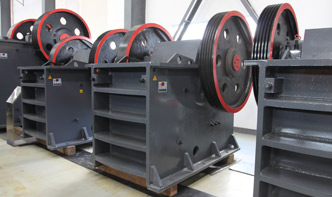
Crushed stone is a fundamental material in construction, used in foundations, asphalt, and railway ballast. Modern stone crusher plants integrate advanced technologies to improve efficiency, reduce environmental impact, and enhance product quality. Key equipment includes jaw crushers, cone crushers, impact crushers, and vibrating screens, which work together to produce various sizes of aggregates.
1. Primary Crusher (Jaw Crusher): Breaks large rocks into smaller pieces.
2. Secondary Crusher (Cone/Impact Crusher): Further refines the material into desired sizes.
3. Vibrating Screen: Separates aggregates into different gradations.
4. Conveyor System: Transports materials between stages.
5. Dust Control Systems: Minimizes environmental pollution.
Q: What factors determine the choice of crusher type?
A: Material hardness, required output size, and production capacity are key considerations.
Q: How is dust pollution managed in crushing plants?
A: Water spray systems, dust suppression units, and enclosed conveyors are commonly used.
Q: Can mobile crushers replace stationary plants?
A: Mobile crushers offer flexibility for small projects, but stationary plants are more efficient for large-scale production.

A recent installation in Sikkim, India, demonstrates the successful application of a 200 TPH (tons per hour) crushing plant. The project utilized a combination of jaw and cone crushers to produce high-quality aggregates for local road construction. Challenges such as mountainous terrain were addressed with modular plant designs and optimized logistics.
The stone crusher plant industry is evolving with automation, sustainability, and efficiency at its core. Innovations in crushing technology and stricter environmental regulations will shape the future of aggregate production. Businesses must adapt to these trends to remain competitive in this vital sector.