Barite Quarry Equipment and the Crushed Stone Industry
The demand for high-quality crushed stone and sand aggregates continues to rise, driven by global infrastructure development and construction projects. Barite, a key mineral used in oilfield drilling, chemicals, and construction, requires specialized quarrying and processing equipment to meet industry standards.
Barite (barium sulfate) is primarily extracted through open-pit or underground mining. Its high density and chemical inertness make it valuable for industrial applications. Crushing and grinding barite into fine powders or aggregates involves multiple stages: primary crushing, secondary refining, and screening. The efficiency of these processes depends on the right equipment selection.
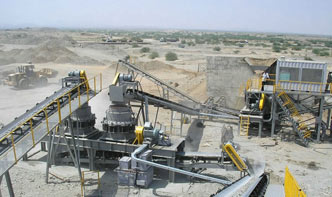
1. Jaw Crushers – Ideal for primary crushing, reducing large barite rocks to manageable sizes (150–350 mm). Models like PE and JC series offer high throughput and low maintenance.
2. Cone Crushers – Used for secondary crushing, producing uniform 20–50 mm particles. Hydraulic adjustment ensures consistent output.
3. Impact Crushers – For shaping aggregates, creating cubic particles ideal for concrete or road bases.
4. Vibrating Screens – Separate barite into different grades (coarse, medium, fine) for specific applications.
5. Grinding Mills – Raymond mills or ball mills pulverize barite into 200–500 mesh powders for oil drilling mud.
Q1: What’s the typical barite processing flow?
A: Drilling & blasting → Primary crushing → Secondary crushing → Screening → Grinding (if powder is needed).
Q2: How to reduce operational costs?
A: Opt for energy-efficient motors, automated controls, and preventive maintenance schedules.
Q3: Can barite quarry waste be recycled?
A: Yes, fines can be repurposed for cement additives or landfill construction.
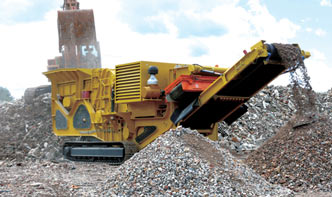
A barite quarry in Vietnam upgraded its plant with a three-stage crushing system (jaw + cone + impact crushers), increasing yield by 30% while reducing downtime. The final product met API standards for oilfield use.
Selecting the right barite quarry equipment ensures productivity, cost-efficiency, and compliance with industrial specifications. With proper planning, quarries can optimize resource extraction while minimizing environmental impact.

