The Cost of Chrome Ore Quarry Equipment and Its Impact on the Aggregate Industry
The mining and aggregate industry relies heavily on efficient equipment to extract, crush, and process raw materials like chrome ore. Chrome ore, a critical component in stainless steel and alloy production, requires specialized quarrying and crushing machinery to meet industrial demands. Understanding the cost factors of chrome ore quarry equipment is essential for operators aiming to optimize production and reduce operational expenses.
Chrome ore mining involves open-pit or underground extraction, followed by crushing, screening, and beneficiation. The equipment used must withstand abrasive materials and harsh conditions while maintaining high throughput. Key machinery includes:
The cost of chrome ore quarry equipment varies based on:
1. Equipment Type & Capacity – High-capacity crushers and screens cost more but improve long-term ROI.
2. Material Hardness – Chrome ore’s abrasiveness may require wear-resistant components, increasing maintenance costs.
3. Automation & Technology – Smart systems enhance efficiency but raise initial investment.
4. Logistics & Installation – Remote sites may incur higher transportation and setup expenses.
Q: What’s the average cost of a chrome ore crushing plant?
A: A medium-sized plant (100-200 TPH) ranges from $500,000 to $2 million, depending on configuration.
Q: How to reduce operating costs?
A: Regular maintenance, opting for energy-efficient motors, and using wear-resistant liners can lower expenses.
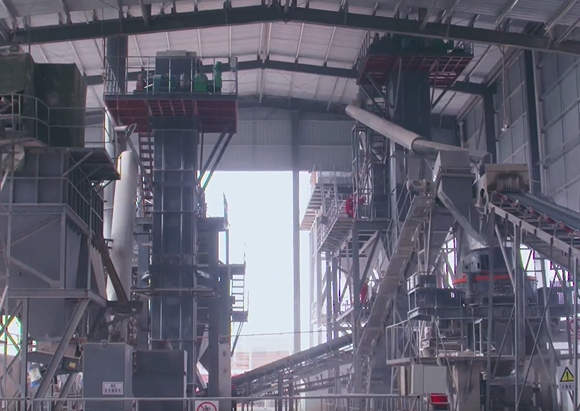
Q: Which crusher is best for chrome ore?
A: Cone crushers are preferred for secondary crushing due to their ability to handle hard, abrasive materials.
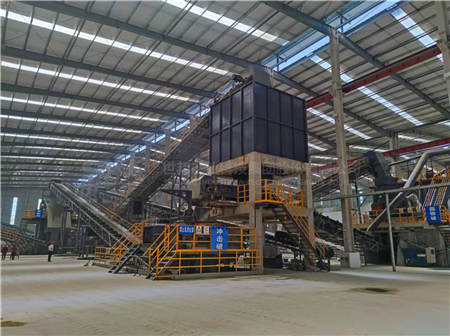
A mining company in South Africa upgraded its chrome ore processing line with a new cone crusher and vibrating screen system. The investment of $1.2 million improved crushing efficiency by 30% and reduced downtime by 20%, achieving payback within 18 months.
Investing in the right chrome ore quarry equipment requires balancing upfront costs with long-term productivity. By selecting durable, high-performance machinery and implementing preventive maintenance, operators can maximize output while minimizing expenses in the competitive aggregate industry.

