The World’s Largest Barite Mine and Its Impact on the Aggregates Industry
Barite, a critical mineral used in oil drilling, construction, and industrial applications, is primarily mined in large-scale operations. The world’s largest barite mine, located in China (Guizhou Province), dominates global production, supplying high-grade ore for grinding and processing into drilling muds and construction materials.
The aggregates and sand-making industry heavily relies on efficient crushing and grinding equipment to process minerals like barite into usable forms. Barite’s high density (4.5 g/cm³) makes it ideal for weighting agents in oil wells, but its hardness (3–3.5 Mohs) requires specialized crushing and milling solutions.
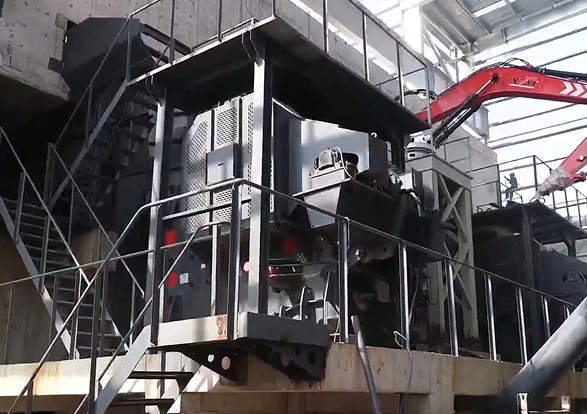
1. Jaw Crushers: Primary crushing to reduce large barite chunks.
2. Impact Crushers: Secondary crushing for finer particle sizes.
3. Raymond Mills/Ultrafine Grinders: Precision grinding to achieve 200-500 mesh for industrial use.
4. Vibrating Screens: Grading particles for consistency.
Q: What’s the typical barite processing flow?
A: Mining → Primary crushing → Secondary grinding → Classification → Packaging.
Q: Can barite waste be repurposed?
A: Yes, fine barite residues are used in cement and radiation shielding.
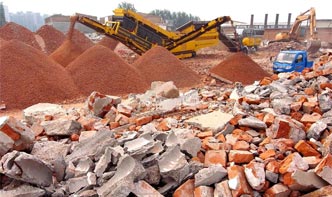
A barite processing plant in Morocco upgraded to a tph mobile crushing plant, increasing output by 40% while reducing downtime with modular maintenance.
The barite mining sector drives demand for advanced crushing and grinding technologies, ensuring efficient resource utilization. As construction and oil industries grow, optimized mineral processing will remain pivotal.
(Note: References to specific brands/models are omitted for neutrality.)

